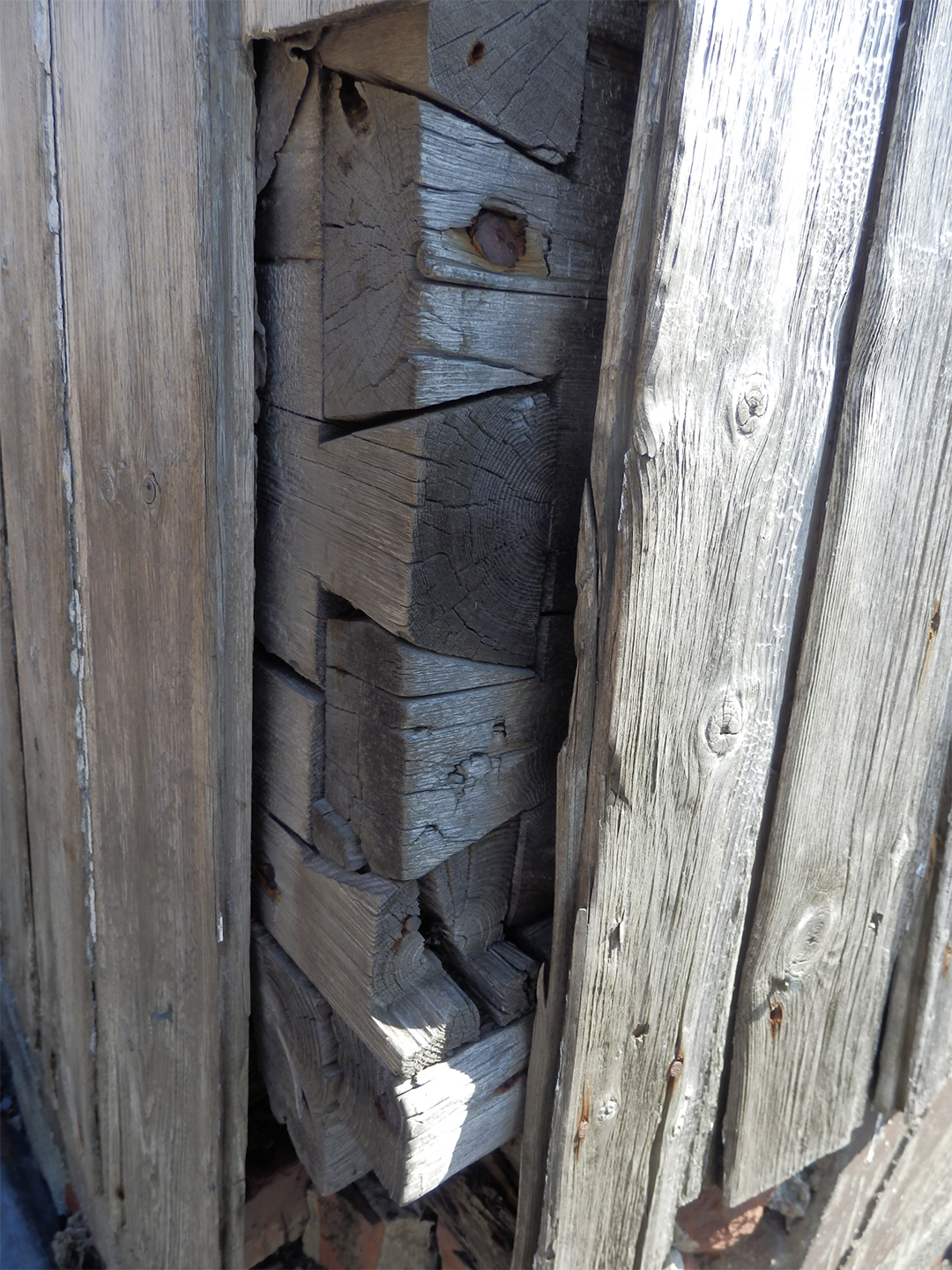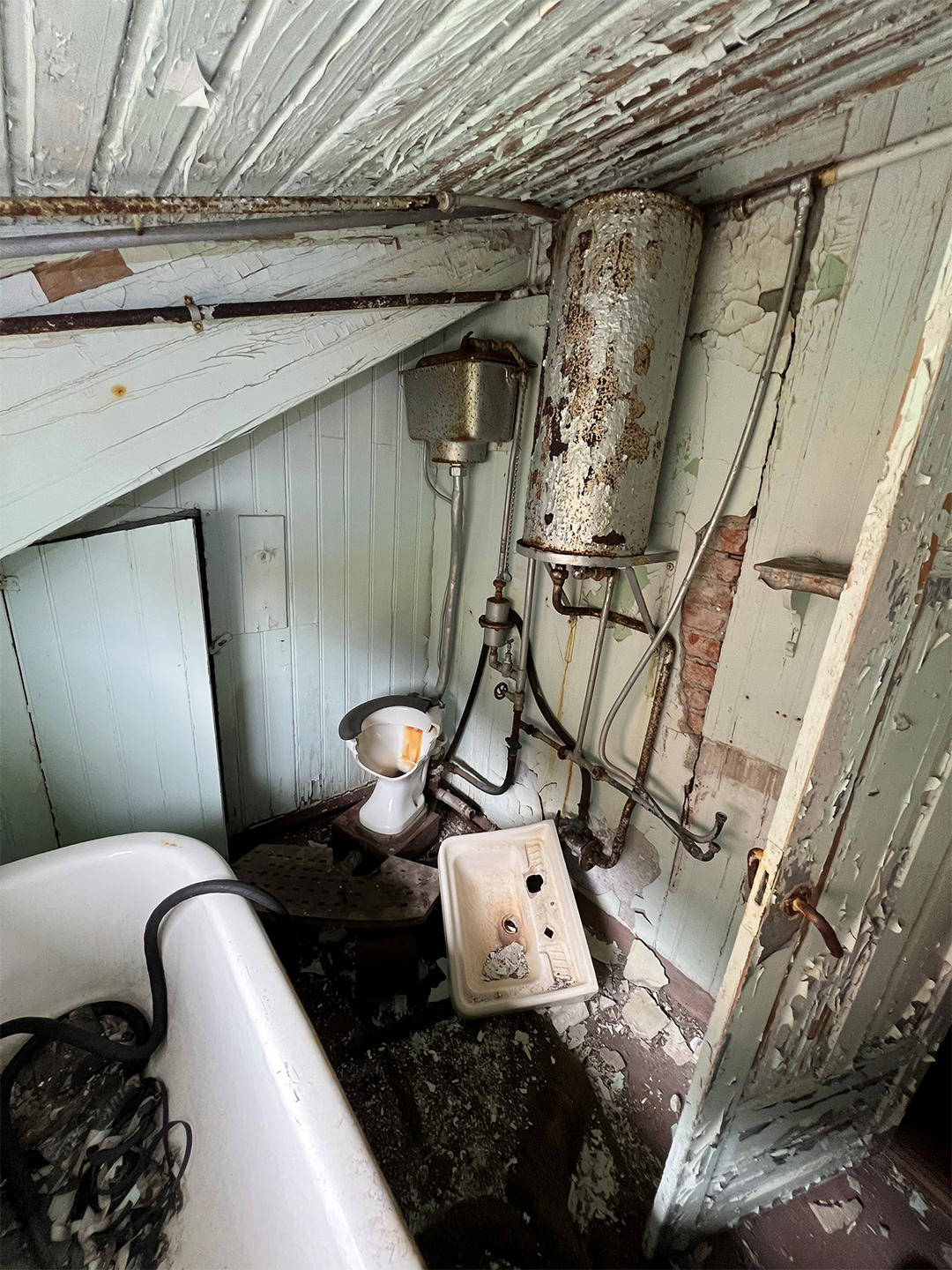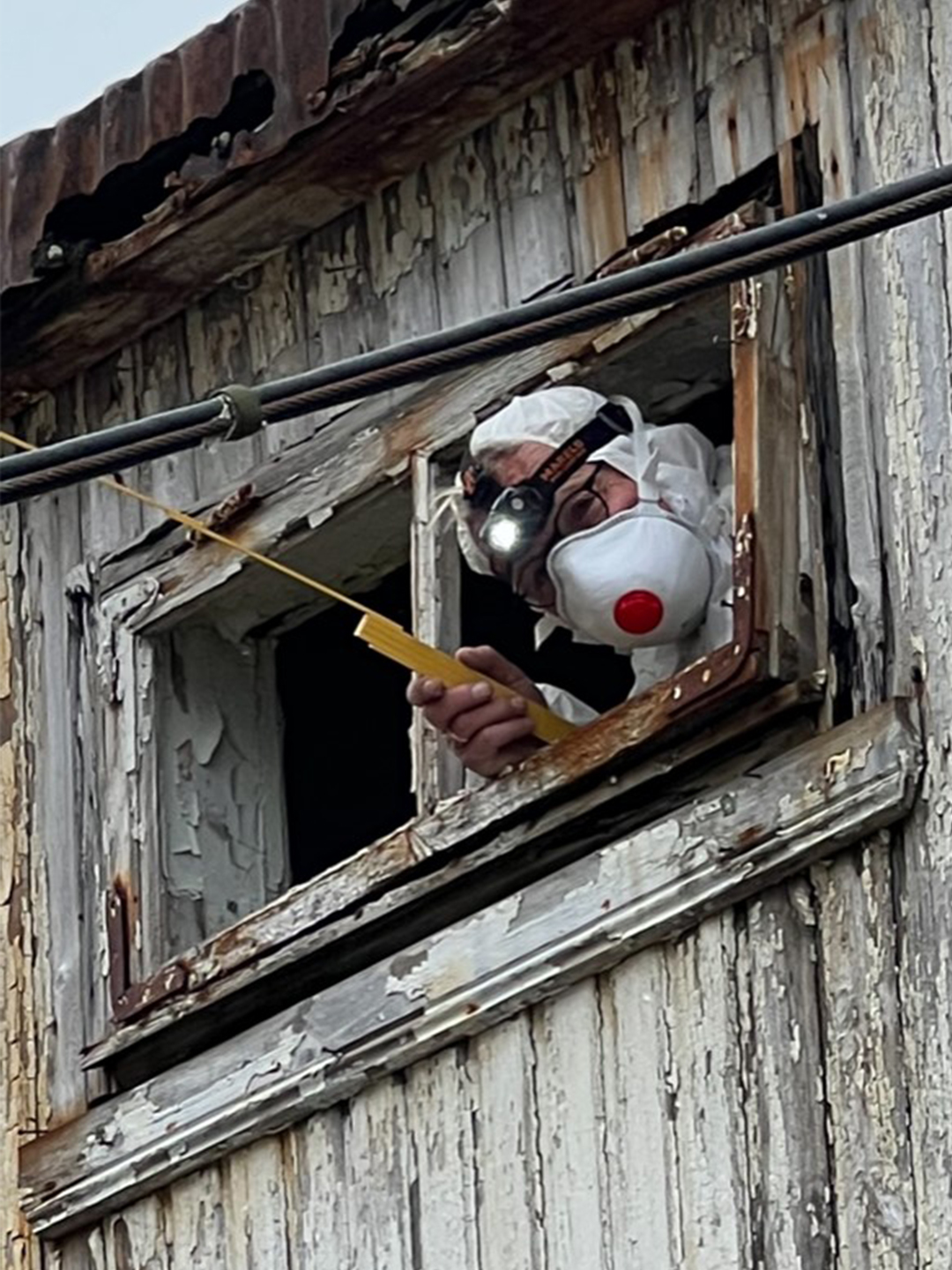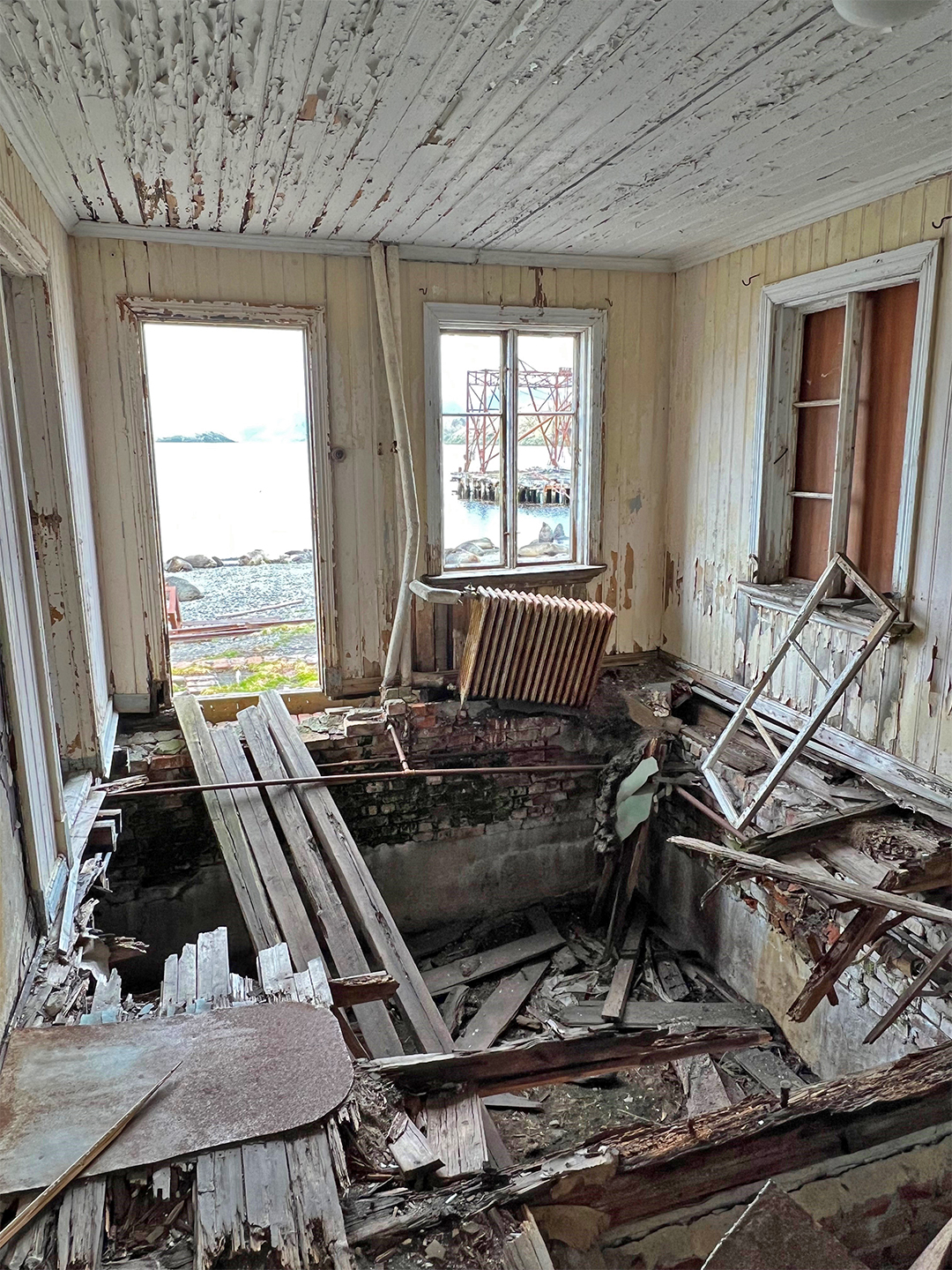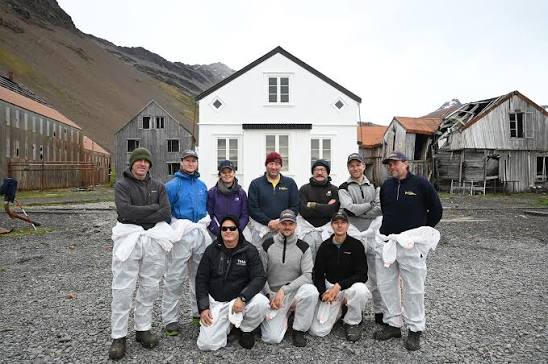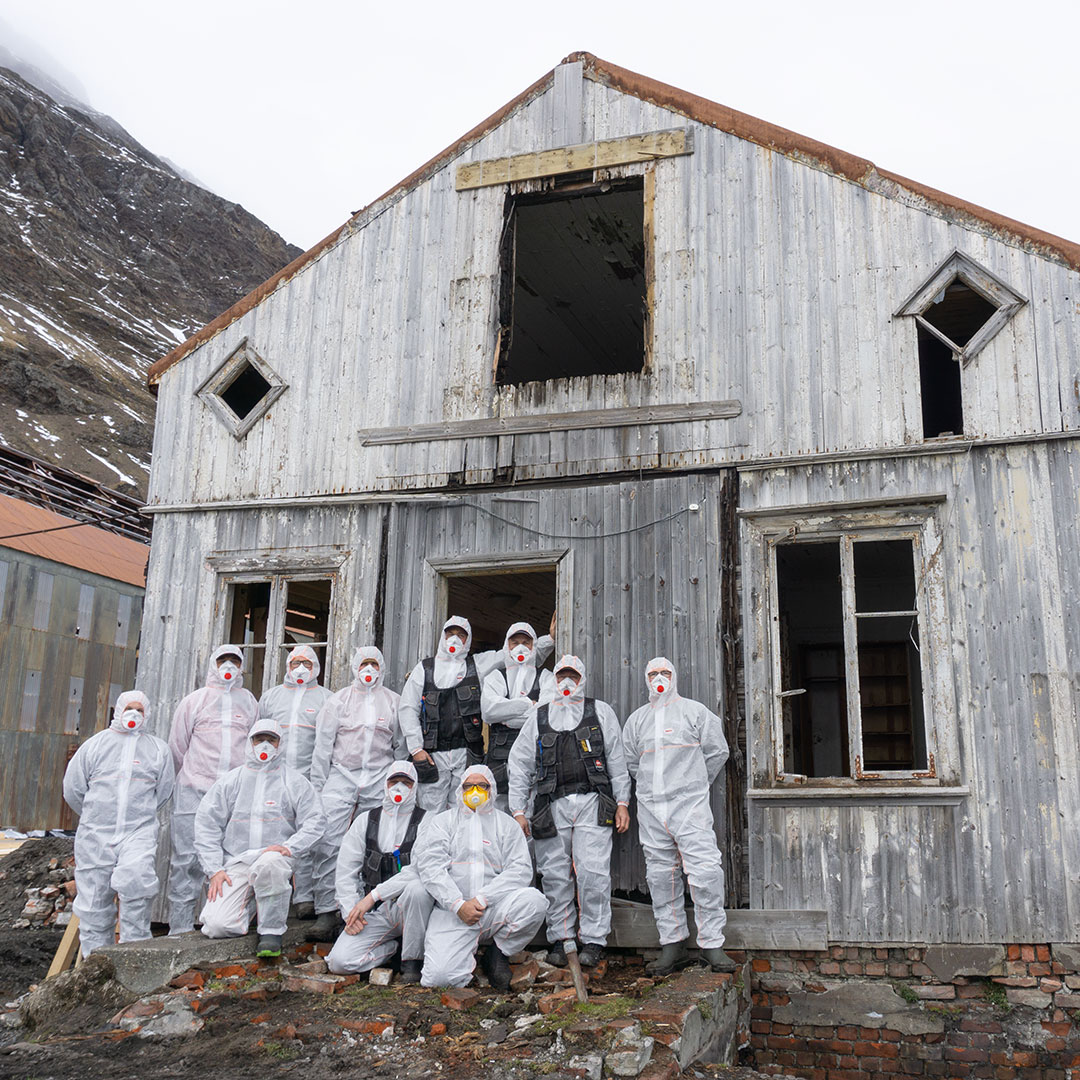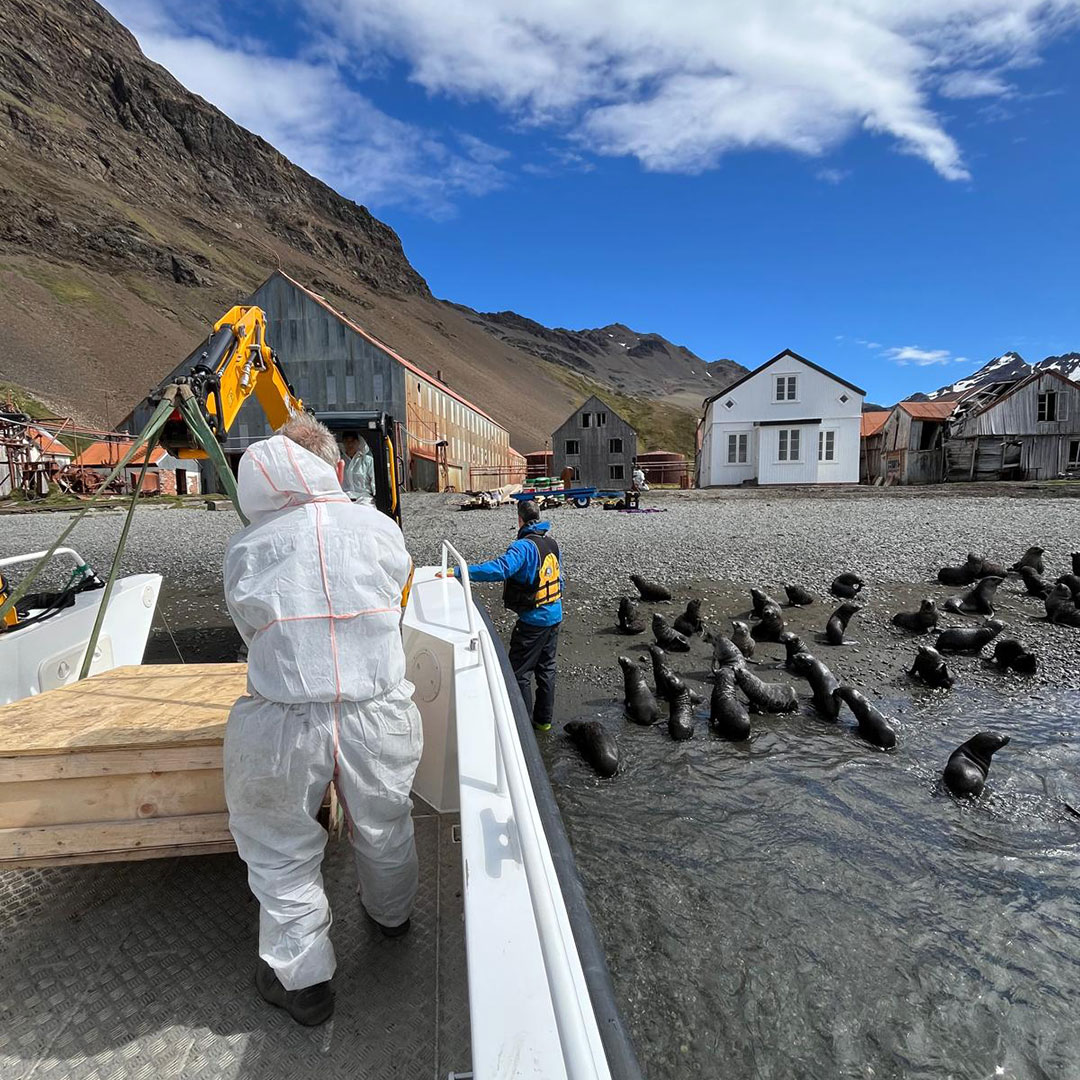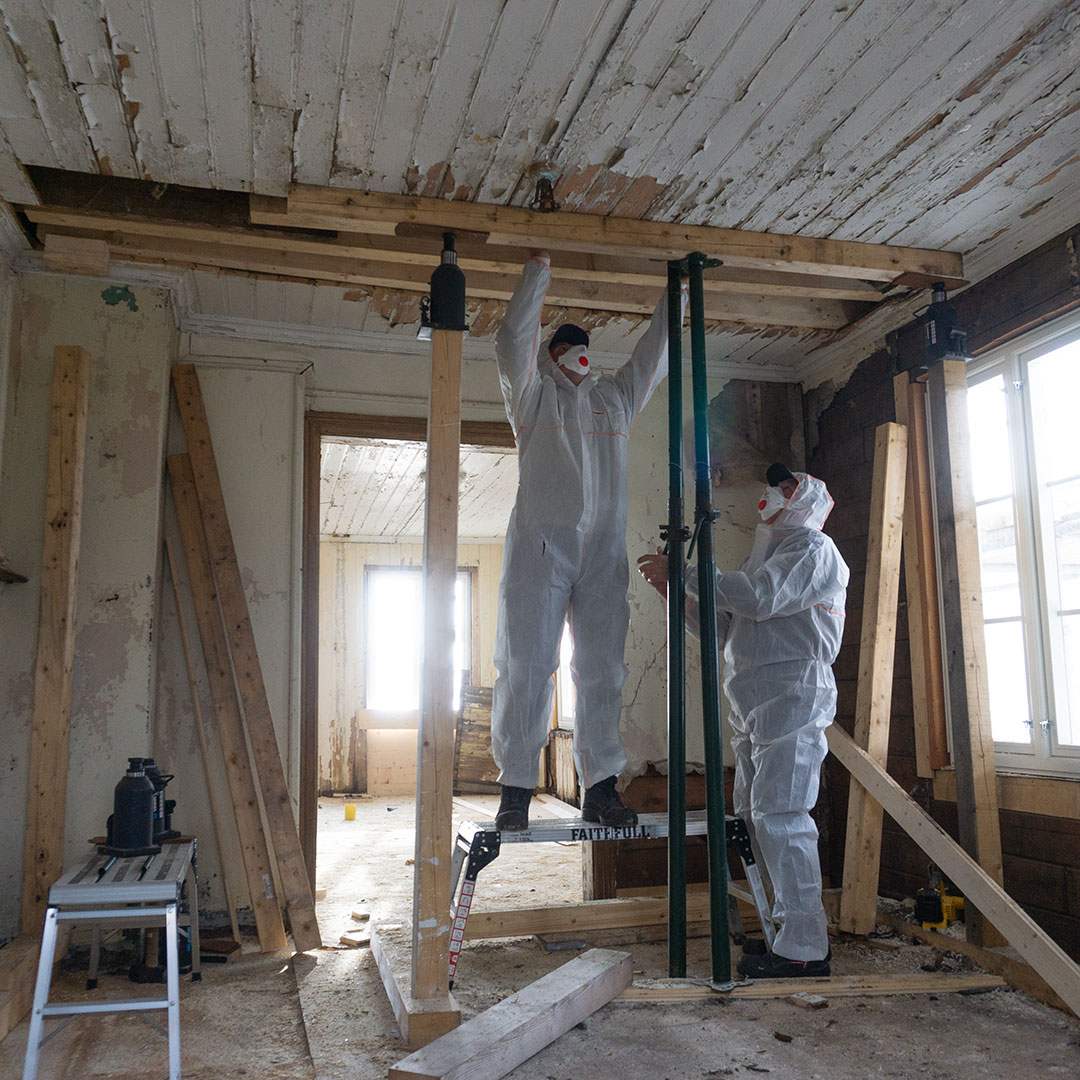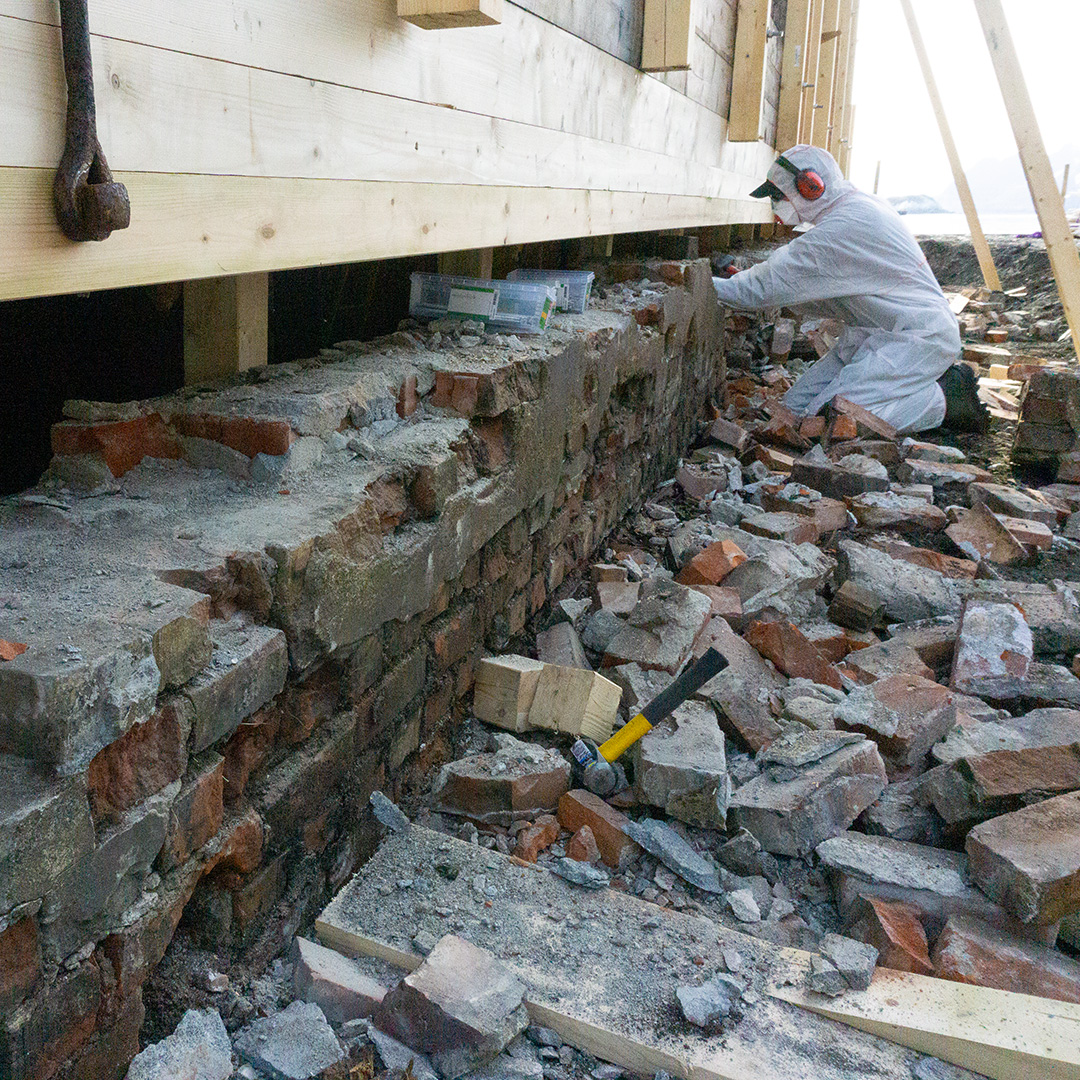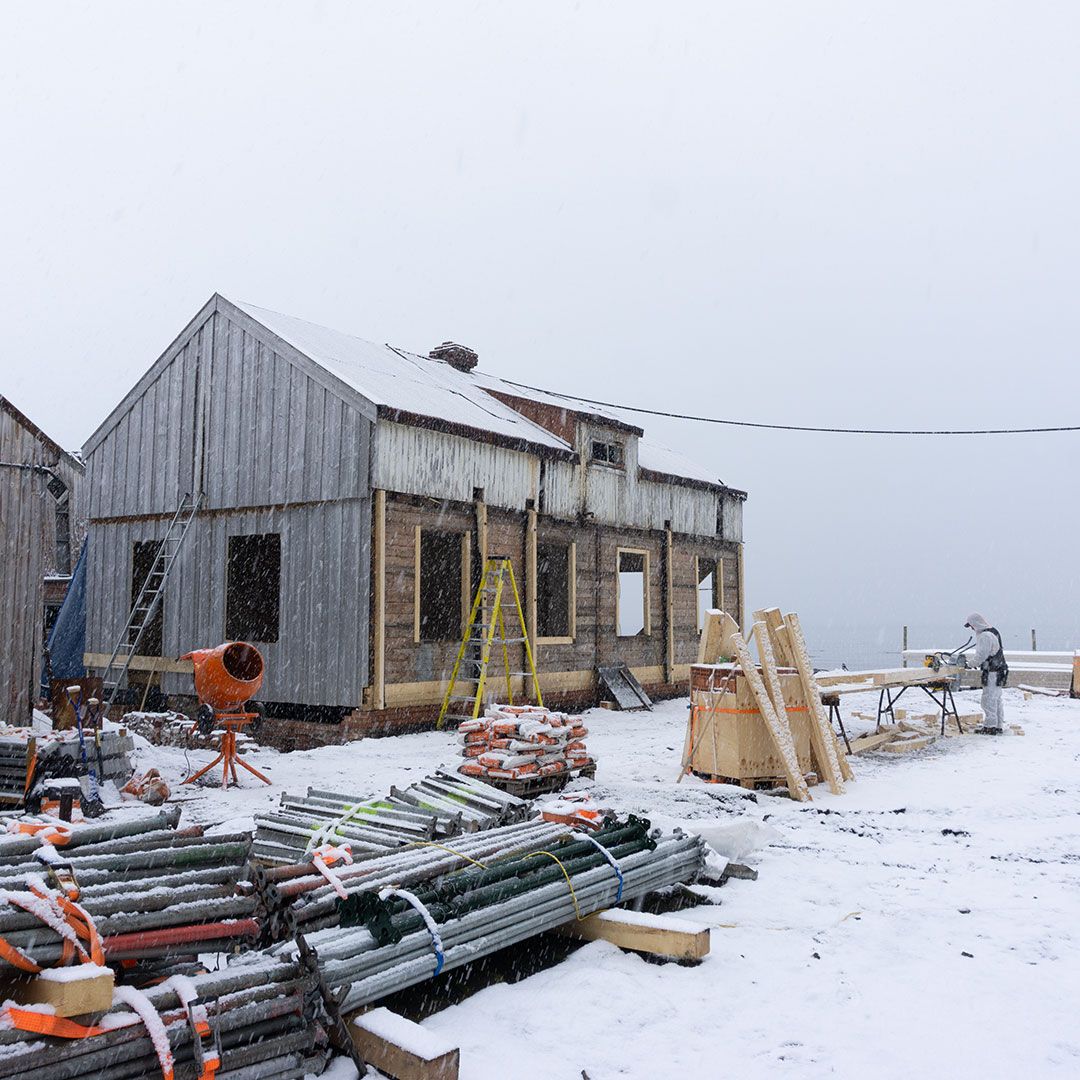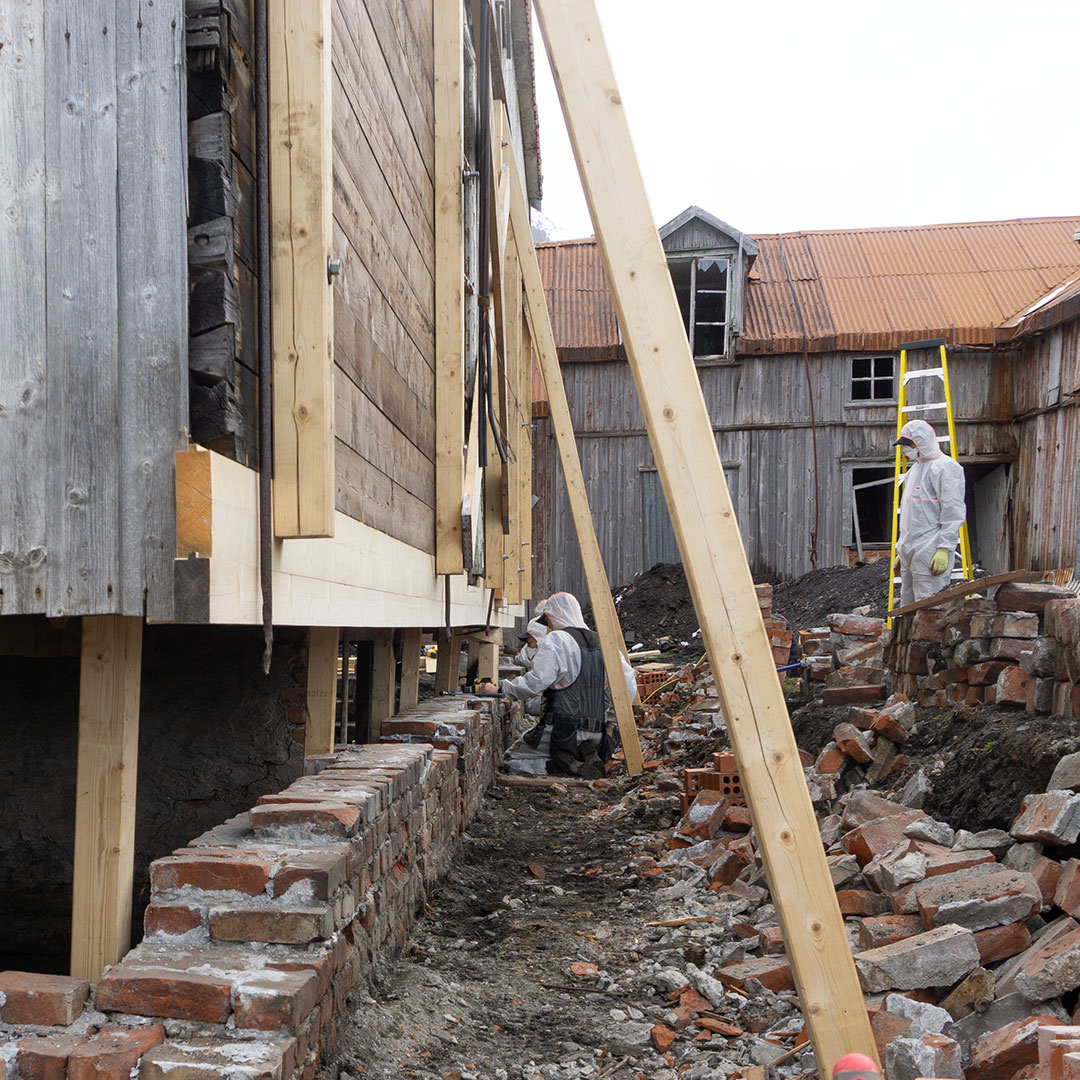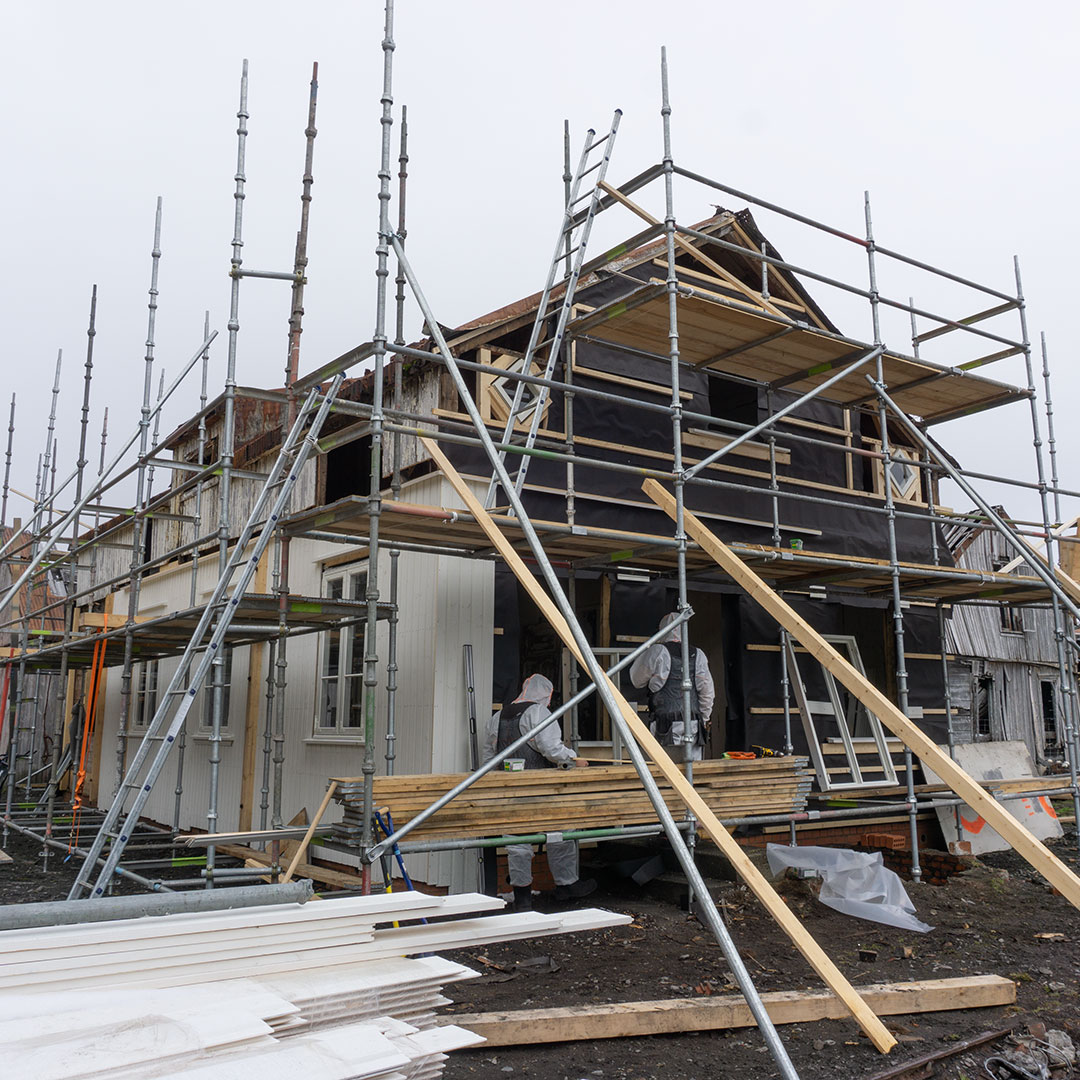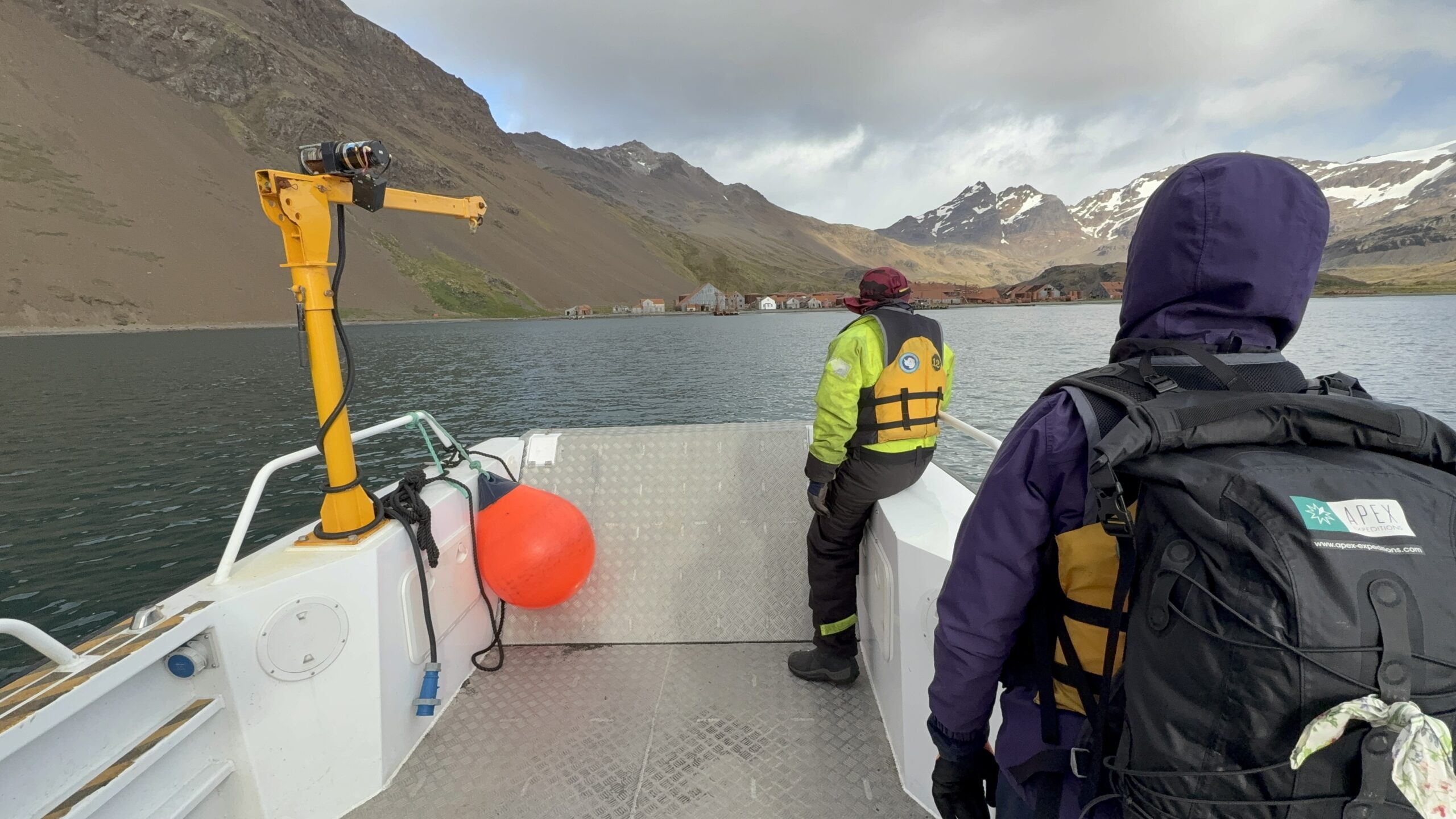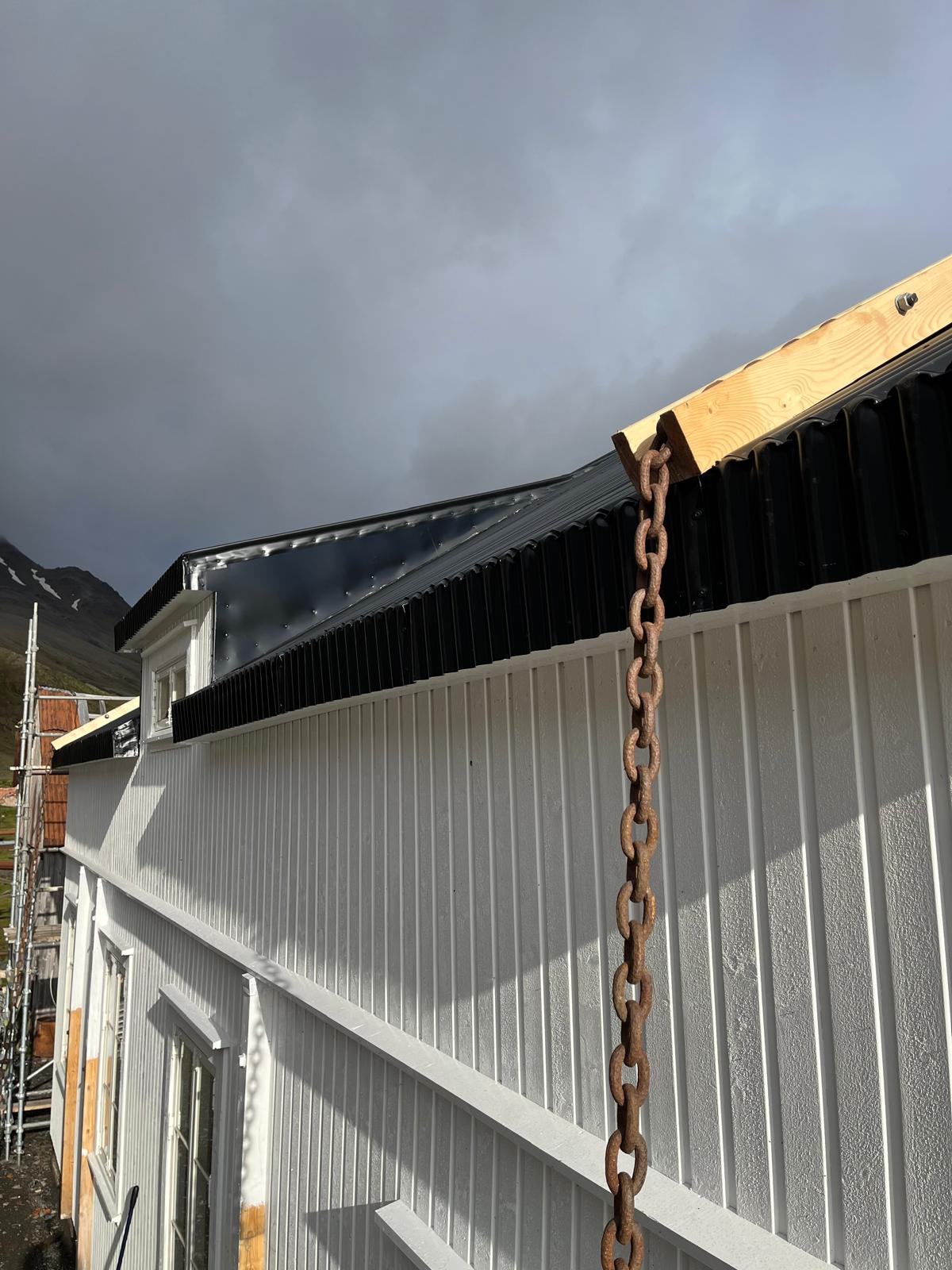
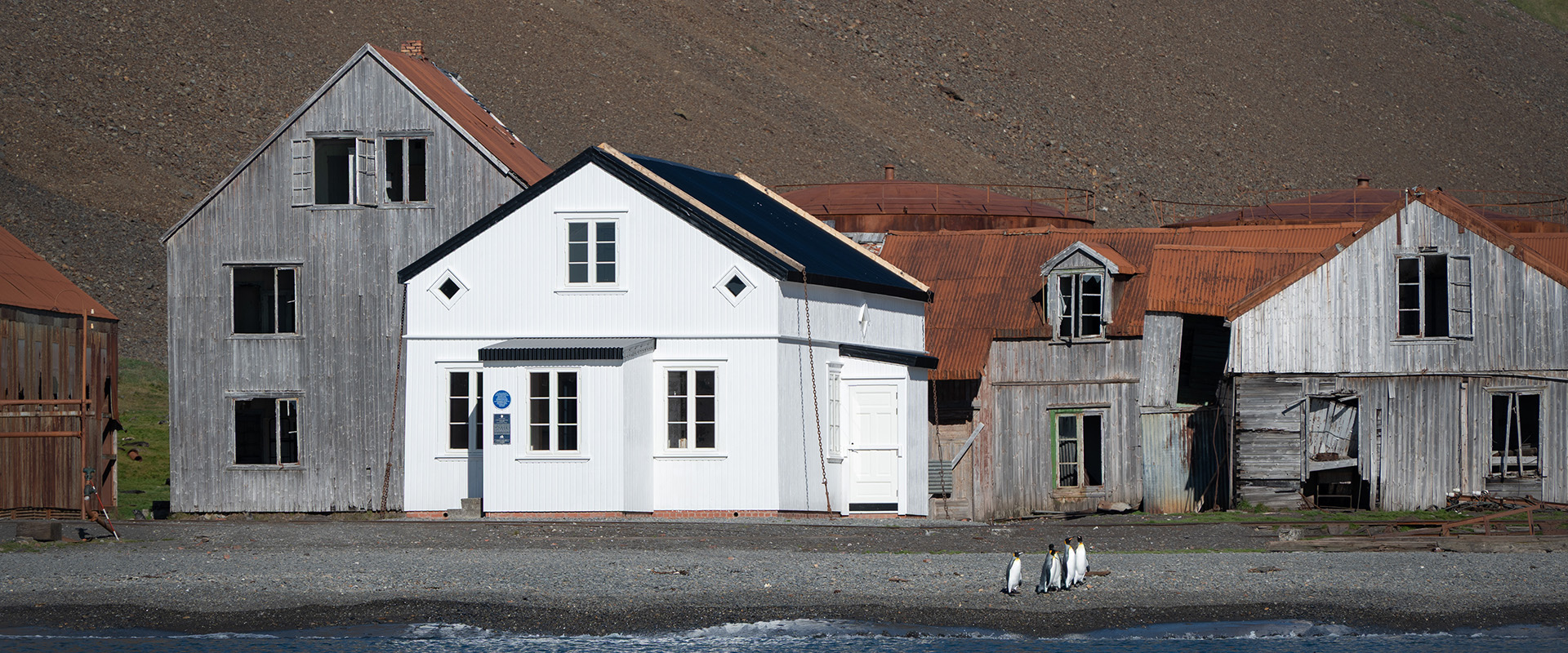
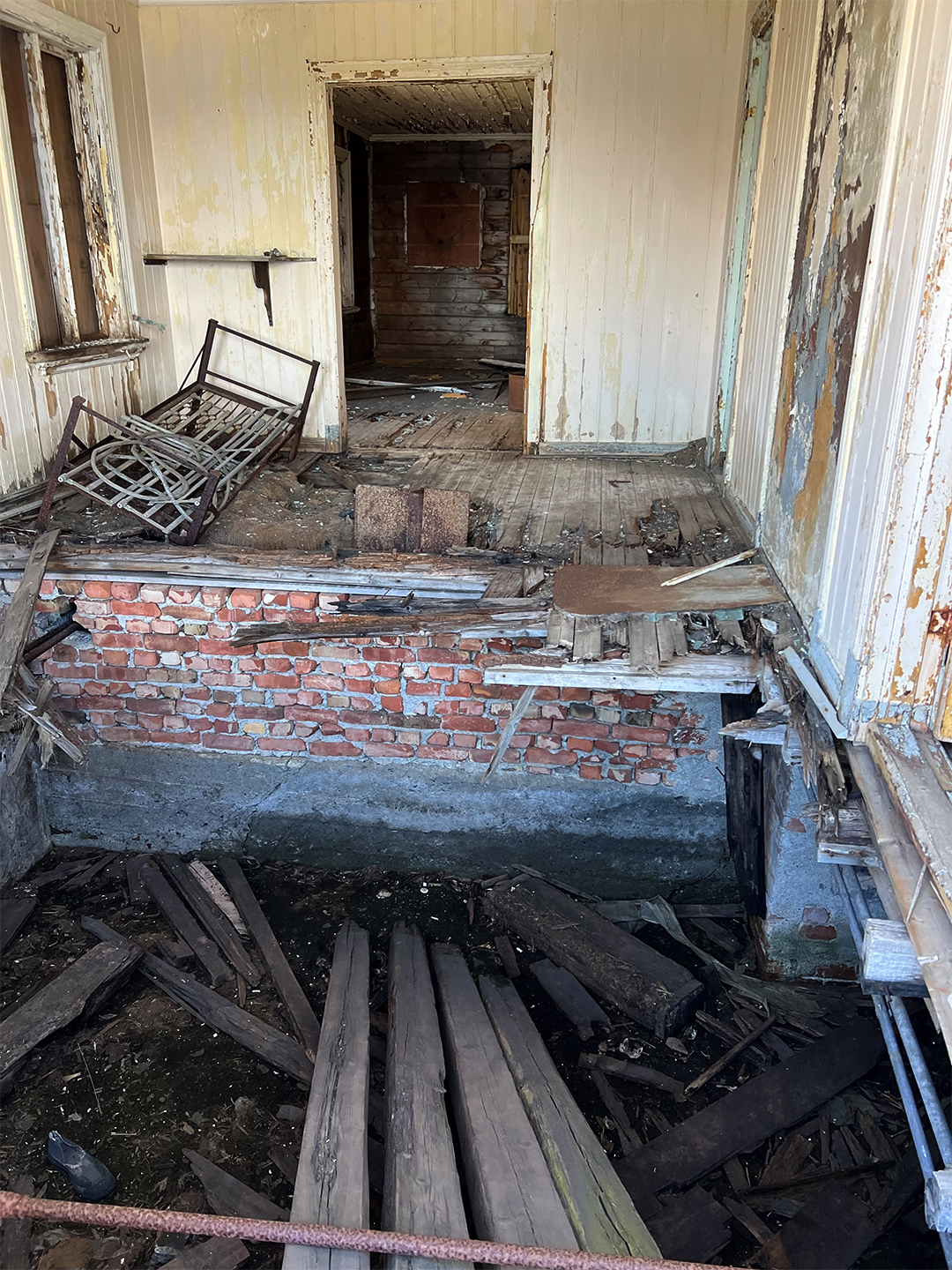
When the whaling came to an end in the 1960s, so too did habitation at Stromness. From the station’s desertion until now, the buildings have been battered with the inescapable South Georgia winds. With limited previous intervention, this has led to the decline in condition around the whaling stations. In 2022 a survey revealed that the Manager’s Villa was imminently heading towards collapse.

This stabilisation of the Villa is part of a multi-million-pound project led by South Georgia Heritage Trust and supported by Friends of South Georgia Island, with permission from the Government of South Georgia & the South Sandwich Islands. The stabilisation of Stromness Manager’s Villa has allowed a key element of South Georgia’s history to remain standing as a beacon of hope on the shore of Stromness Whaling Station.
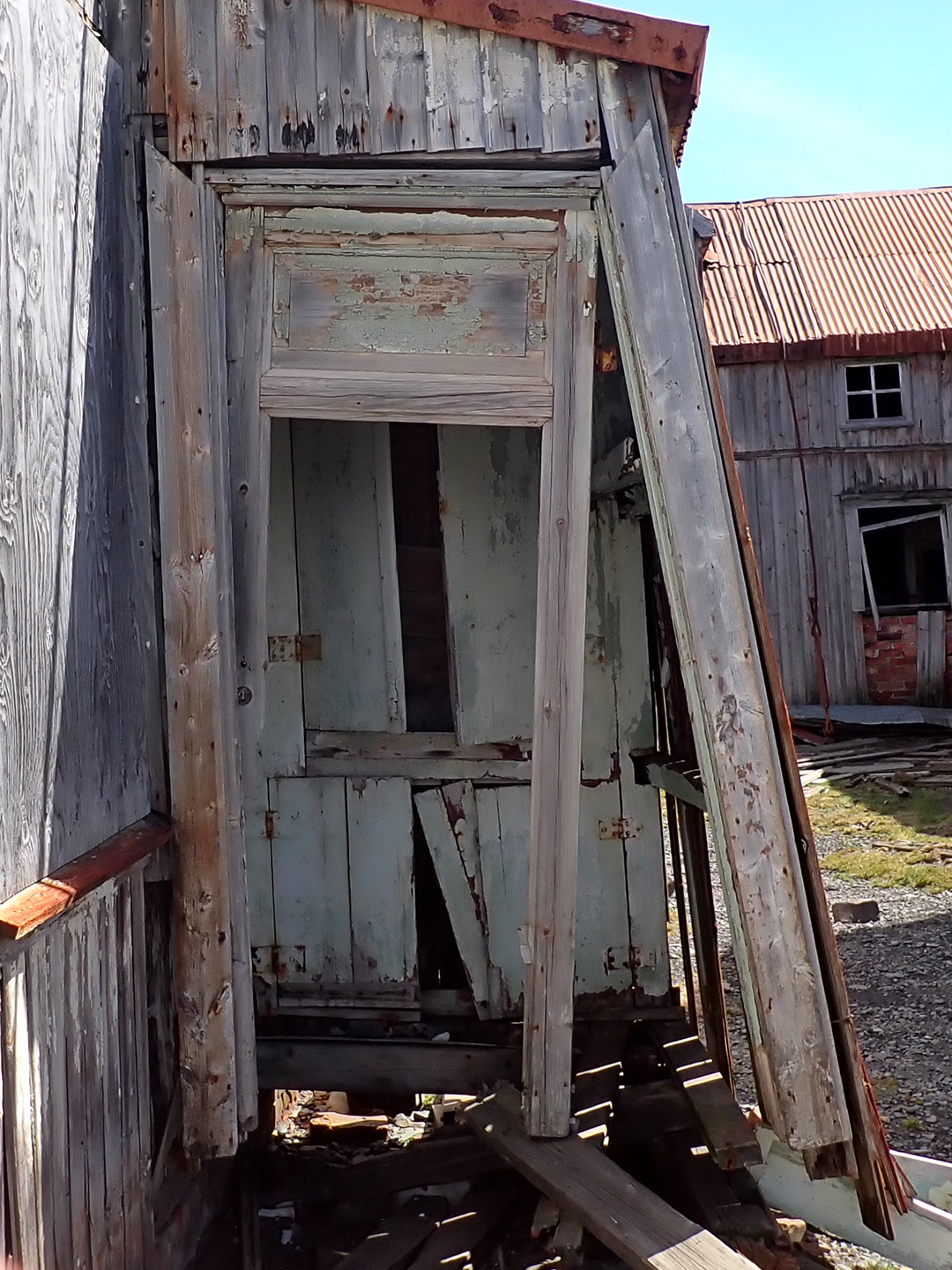
Why stabilisation?

The word stabilisation not restoration is key in talking about the work done on the Villa. The key difference between the two is that restoration is rooted in the past, whereas stabilisation is anchored in the present. It reflects the layers of the building’s history but is not an attempt to restore it historically.

Stabilising the villa

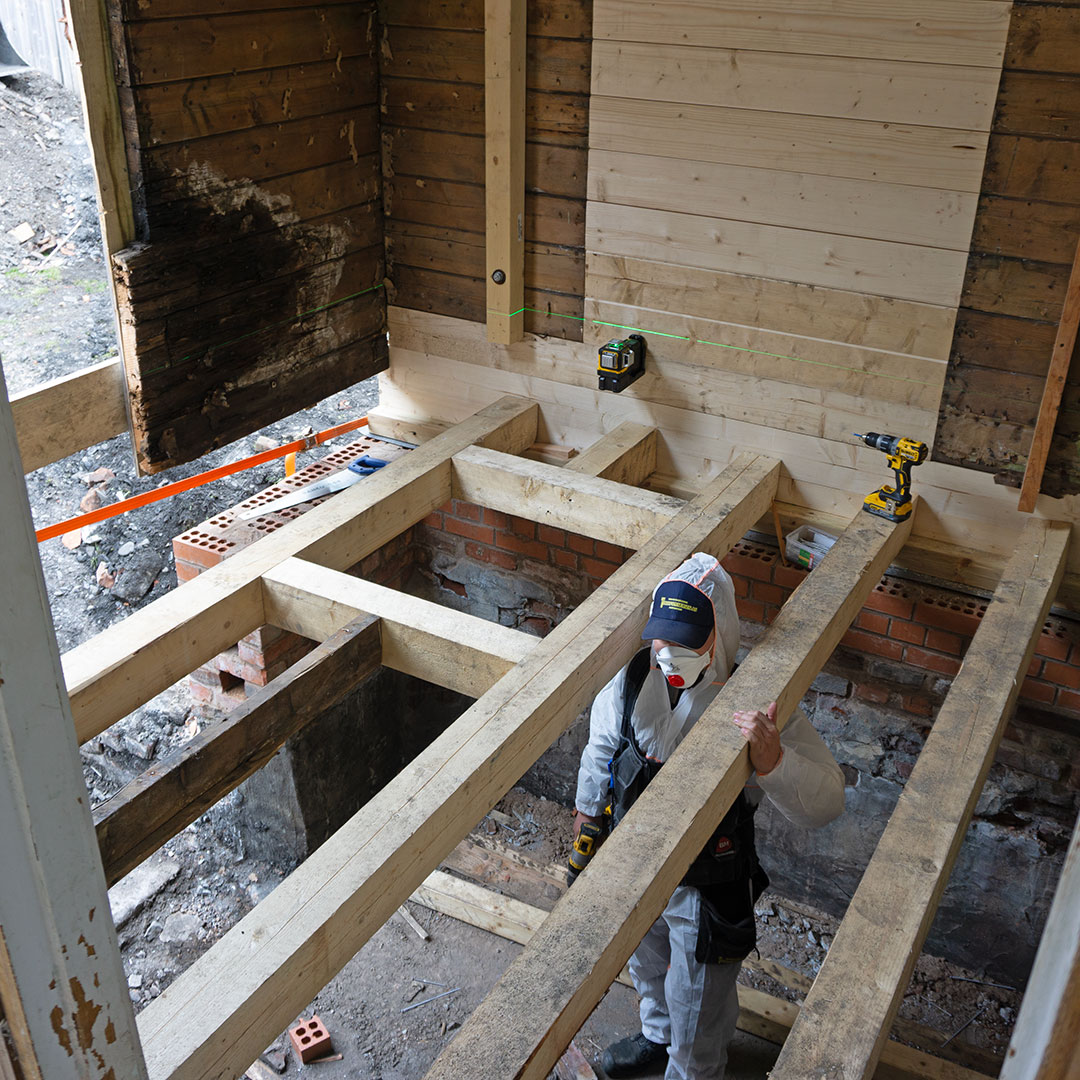
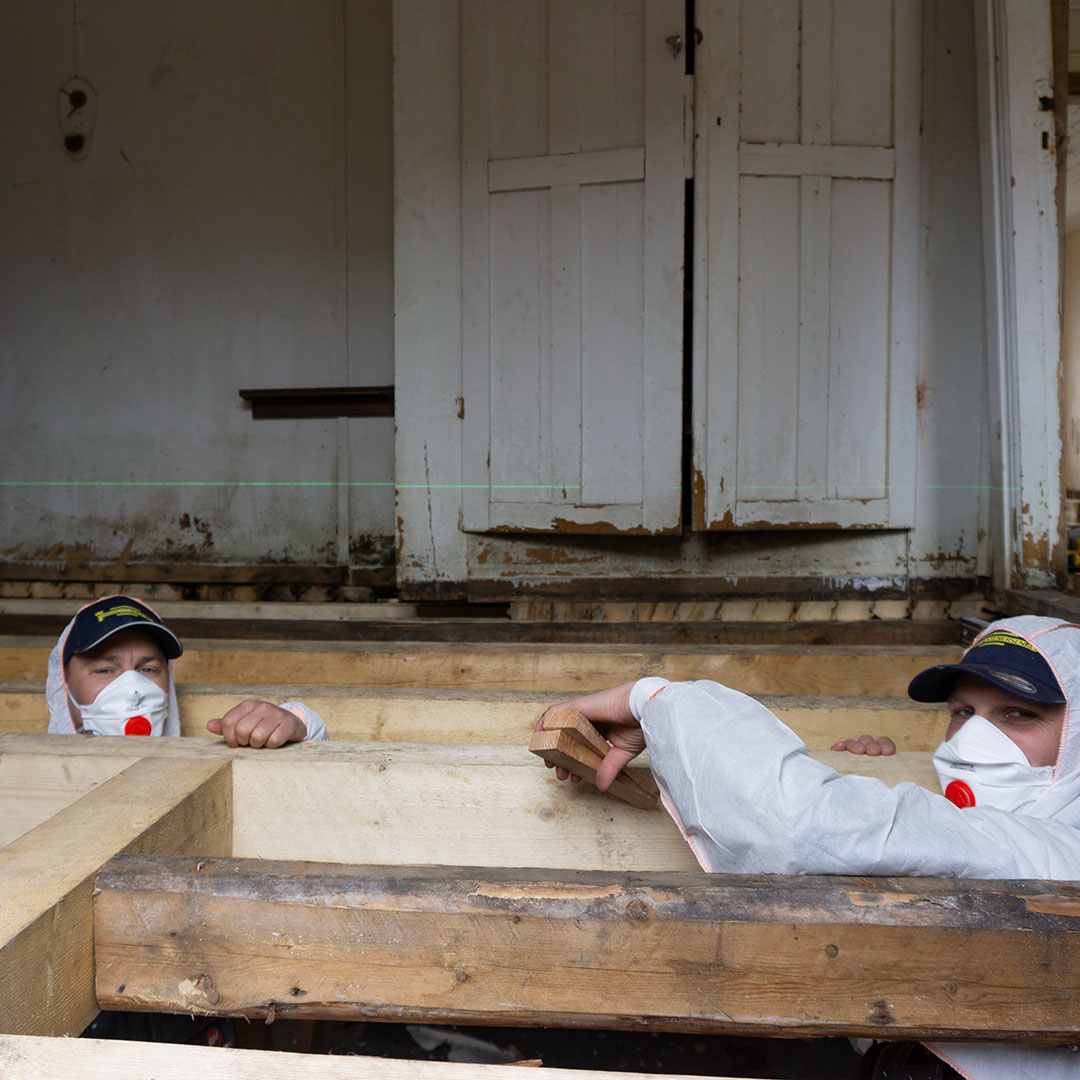
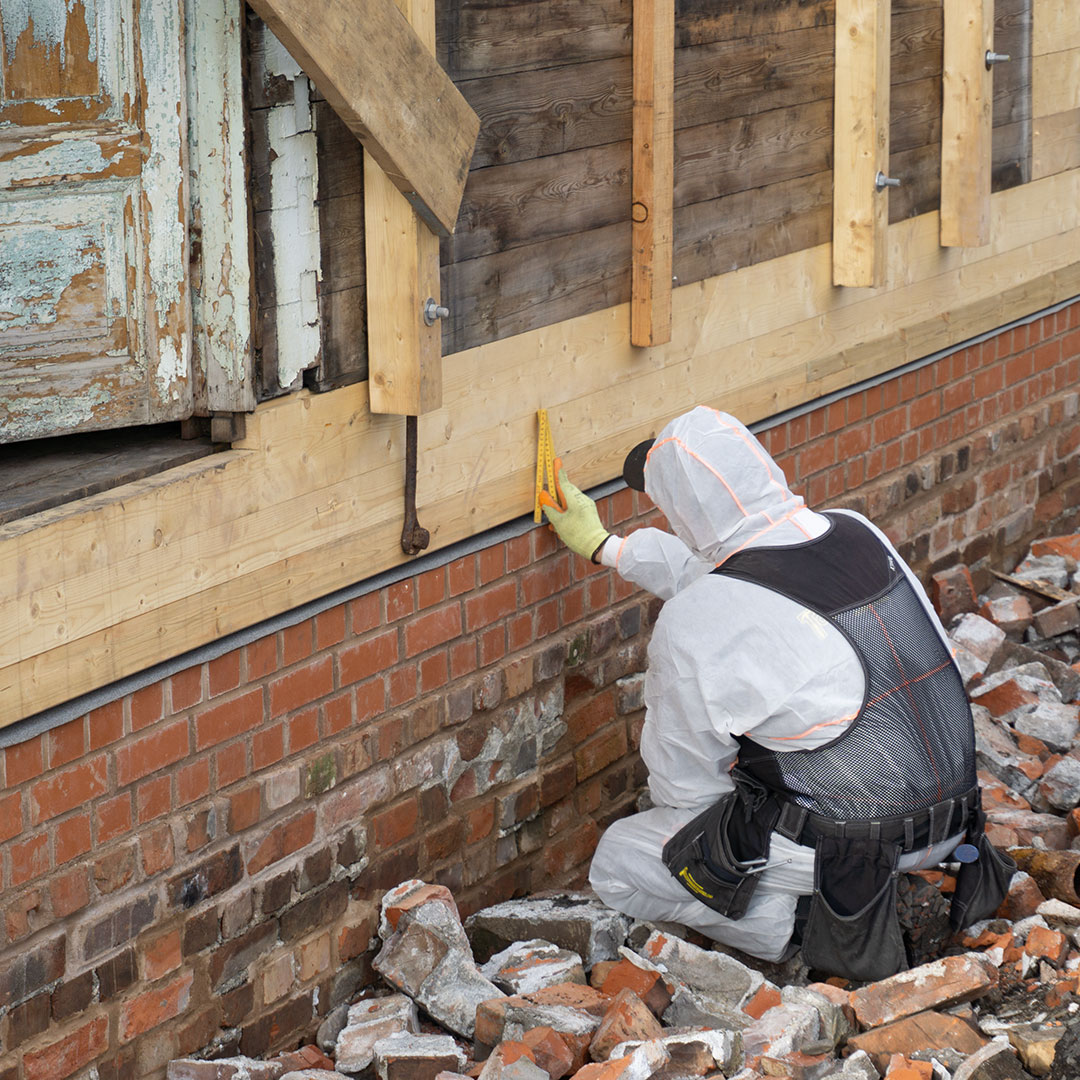
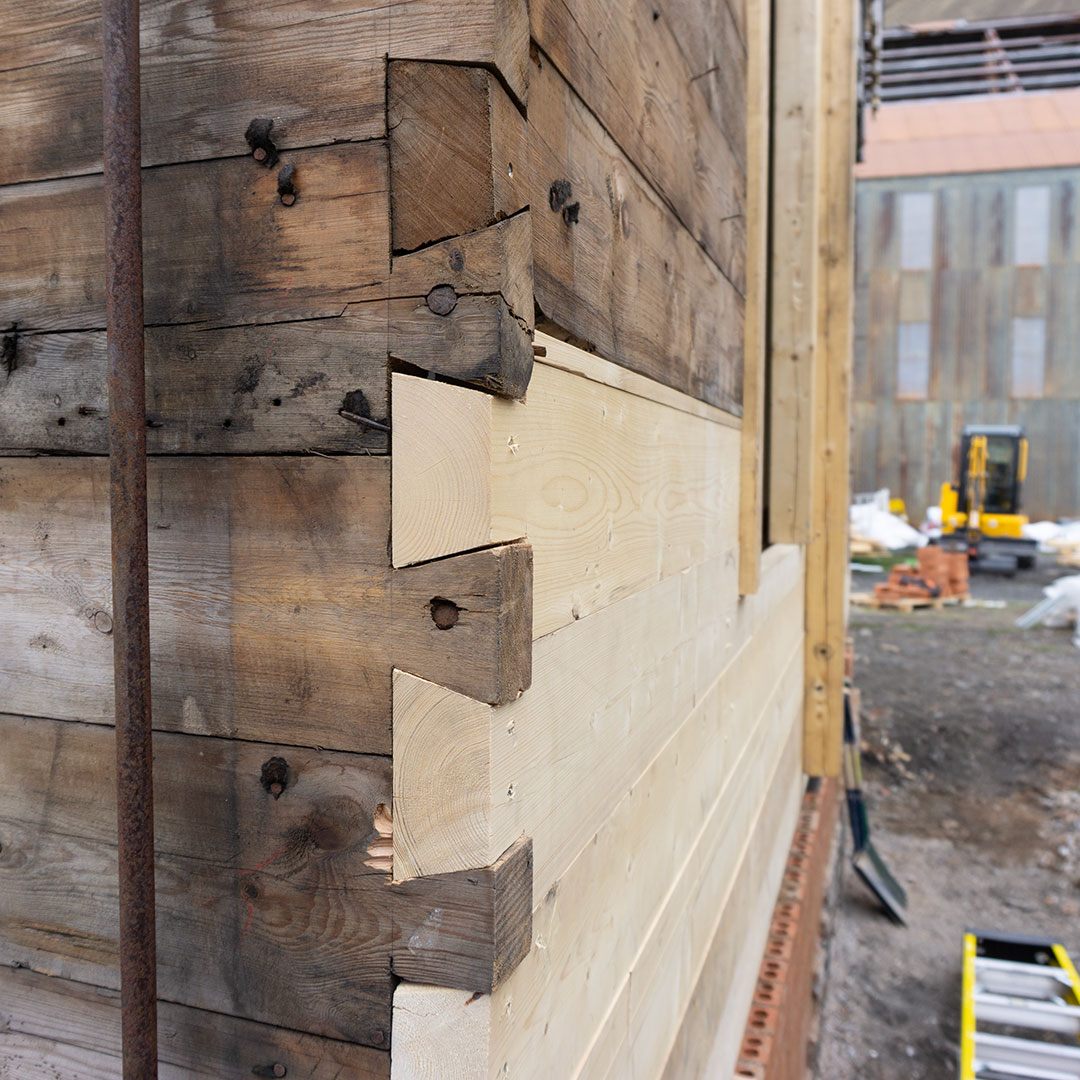
A key part of the work involved bringing in Norwegian carpenters who understood the construction of the Villa and to retain the original features or repair them in the original style.

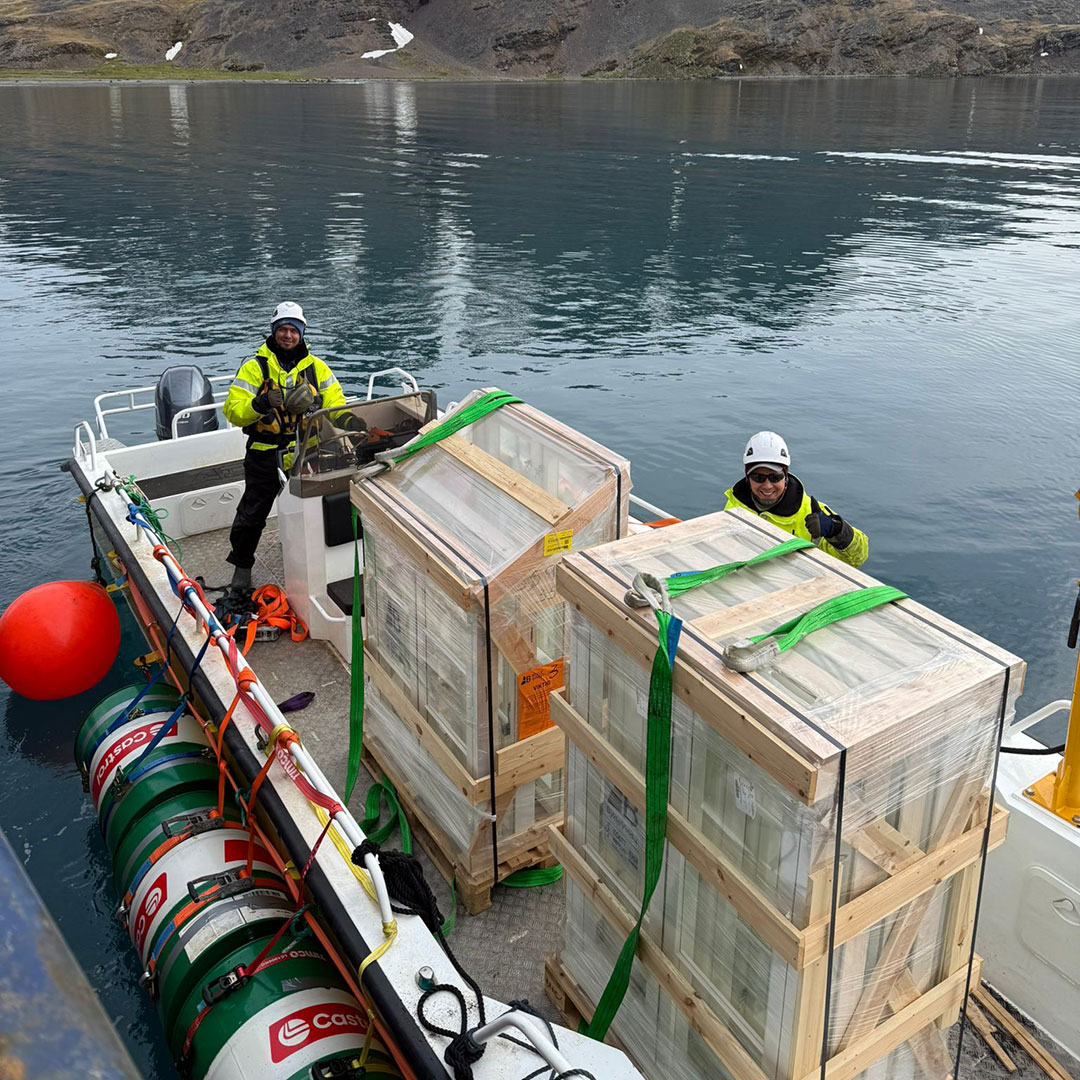
SGHT brought in carpenters Torolf Stenersen A/S based in Sandefjord, the birthplace of modern whaling and a town with strong links to Stromness. As with the Villa when it was originally built, the carpenters imported wood and fixtures from Norway to South Georgia to be used in the build.

The Intrepid Solutions team provided project management on and off island encompassing research, procurement, logistics and permit applications.

The RSK Falkland Islands team assisted with the planning, procurement and logistics for the project, as well as providing multi-skilled supporting operatives who provided day-to-day groundworks, plant operation and labour to keep the project running safely through the short austral summer season.

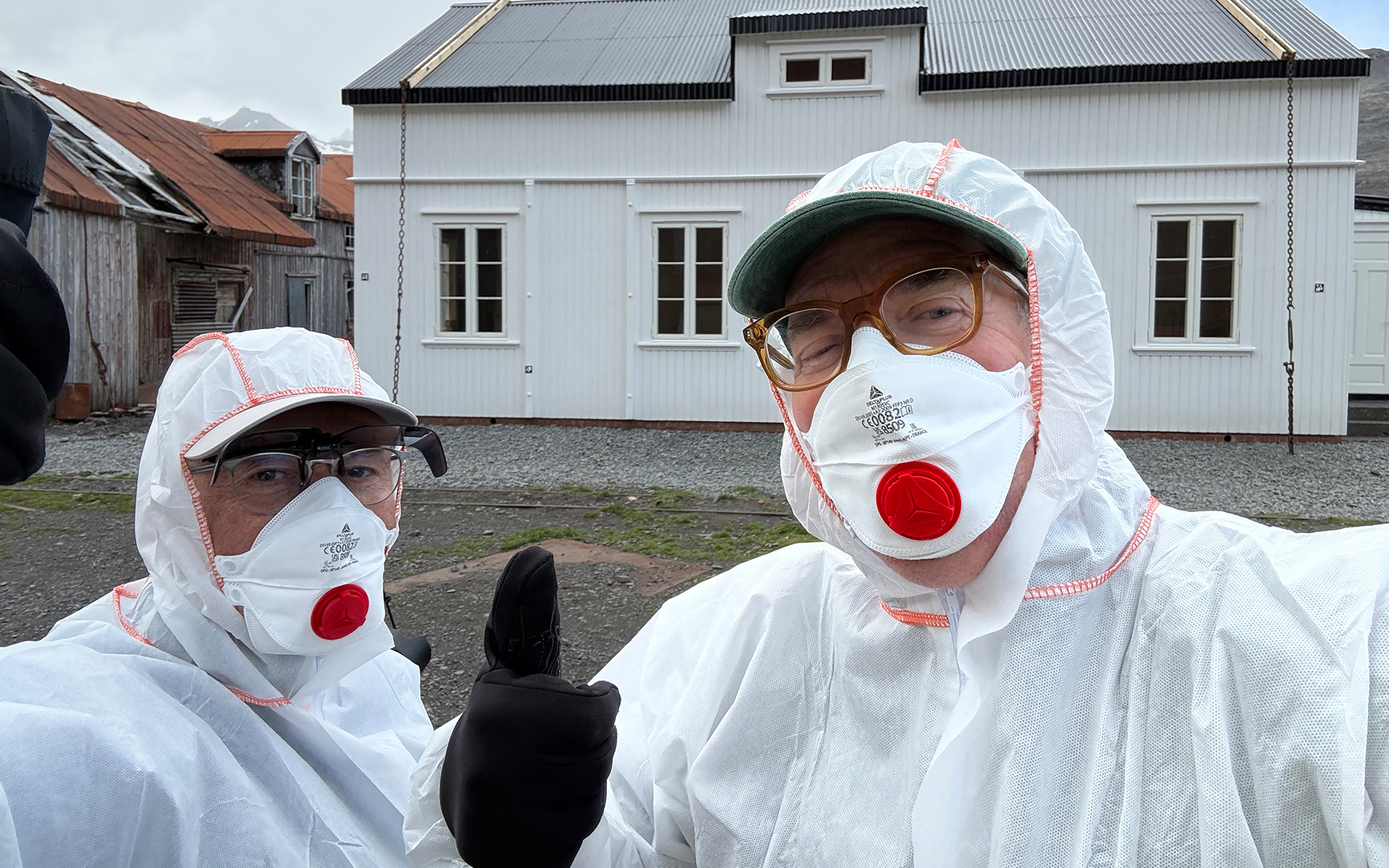
Three members of Thomas Moore Associates provided asbestos monitoring, removal and management services.

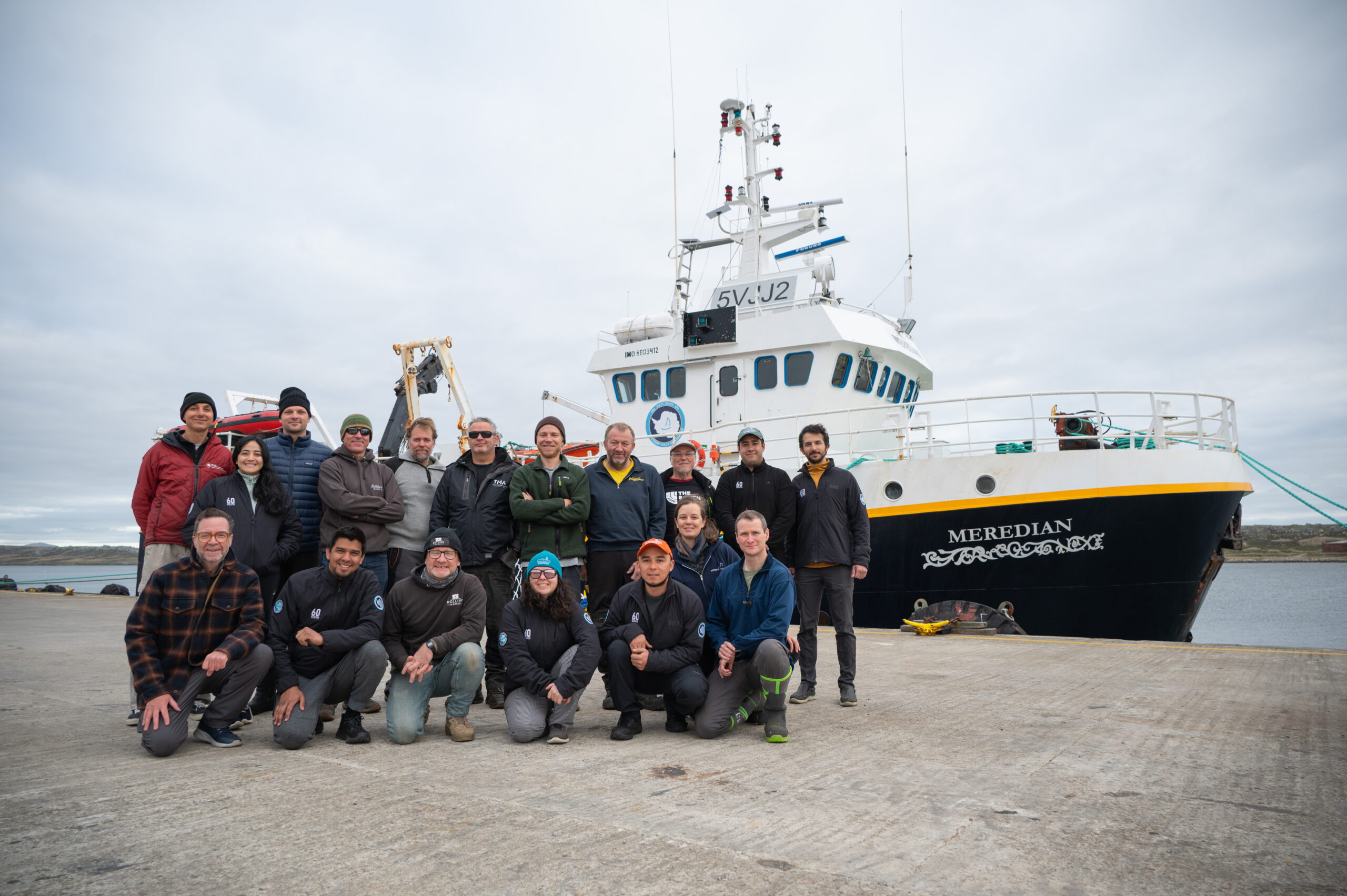
The team was completed with a doctor and the crews of the support vessels Meredian (60 South) and Sola (OceanExpeditions).

The villa is saved

Thanks to generous donations it has been possible to stabilise Stromness Manger’s Villa. Hear from the team and see it for yourself in the video below.

History revealed

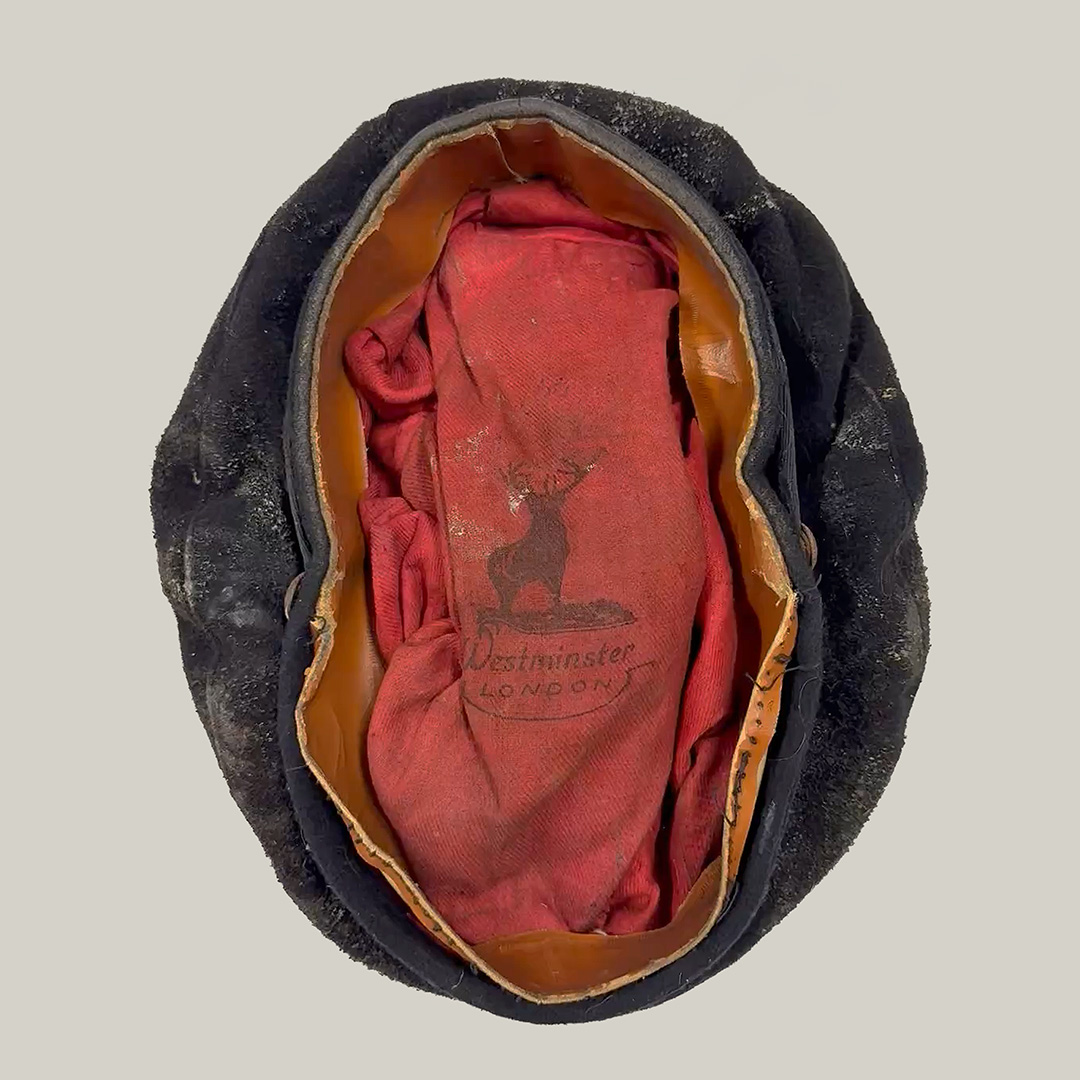
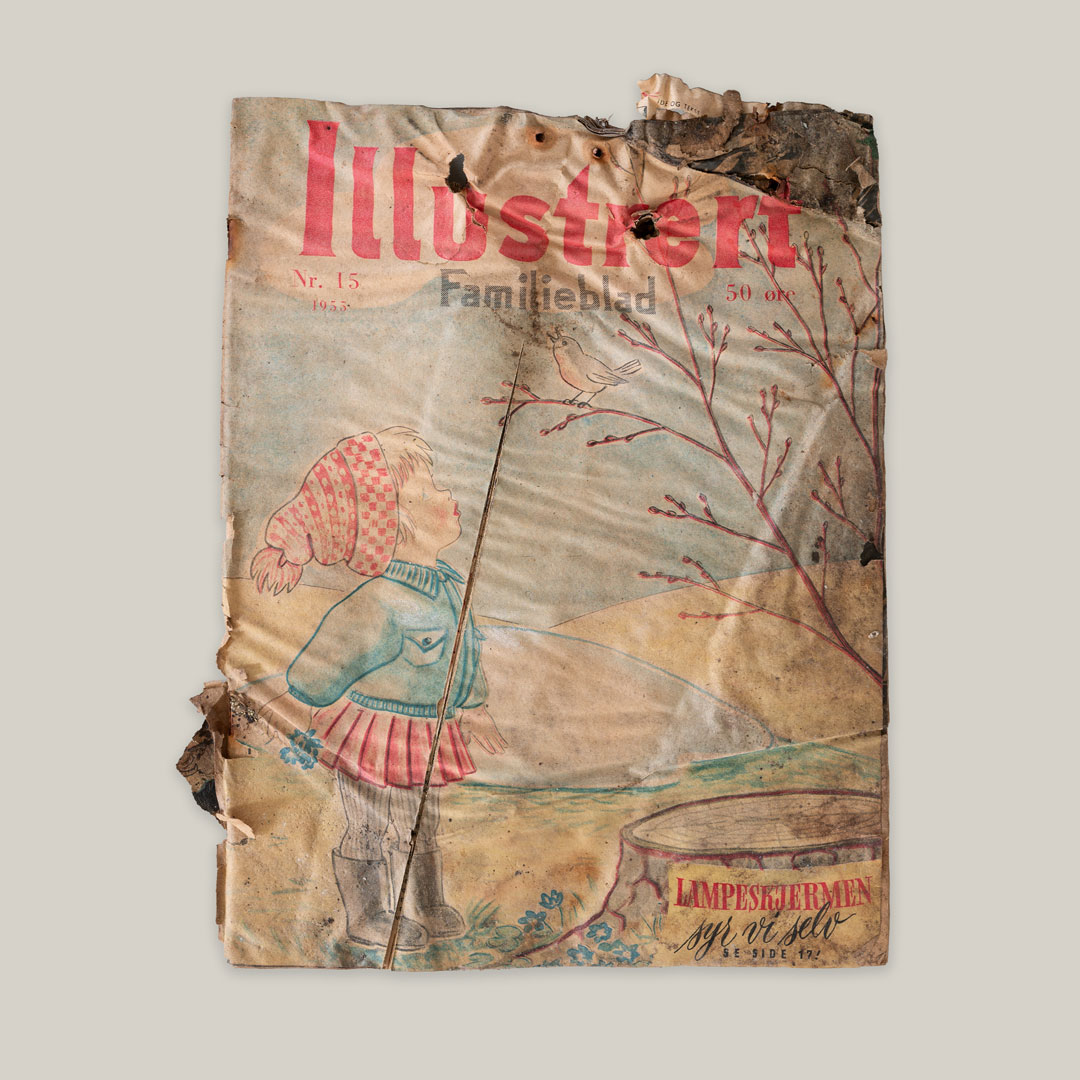
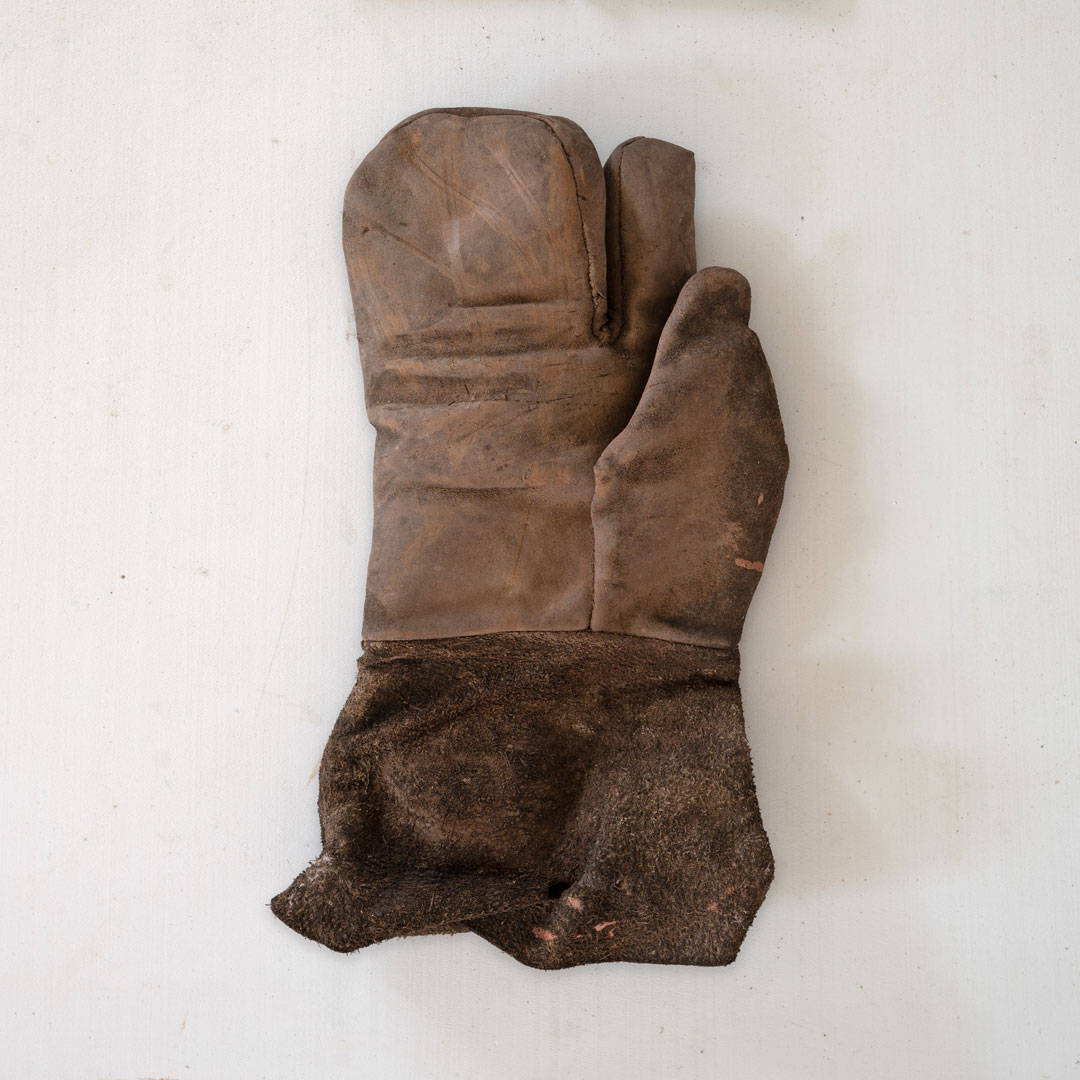
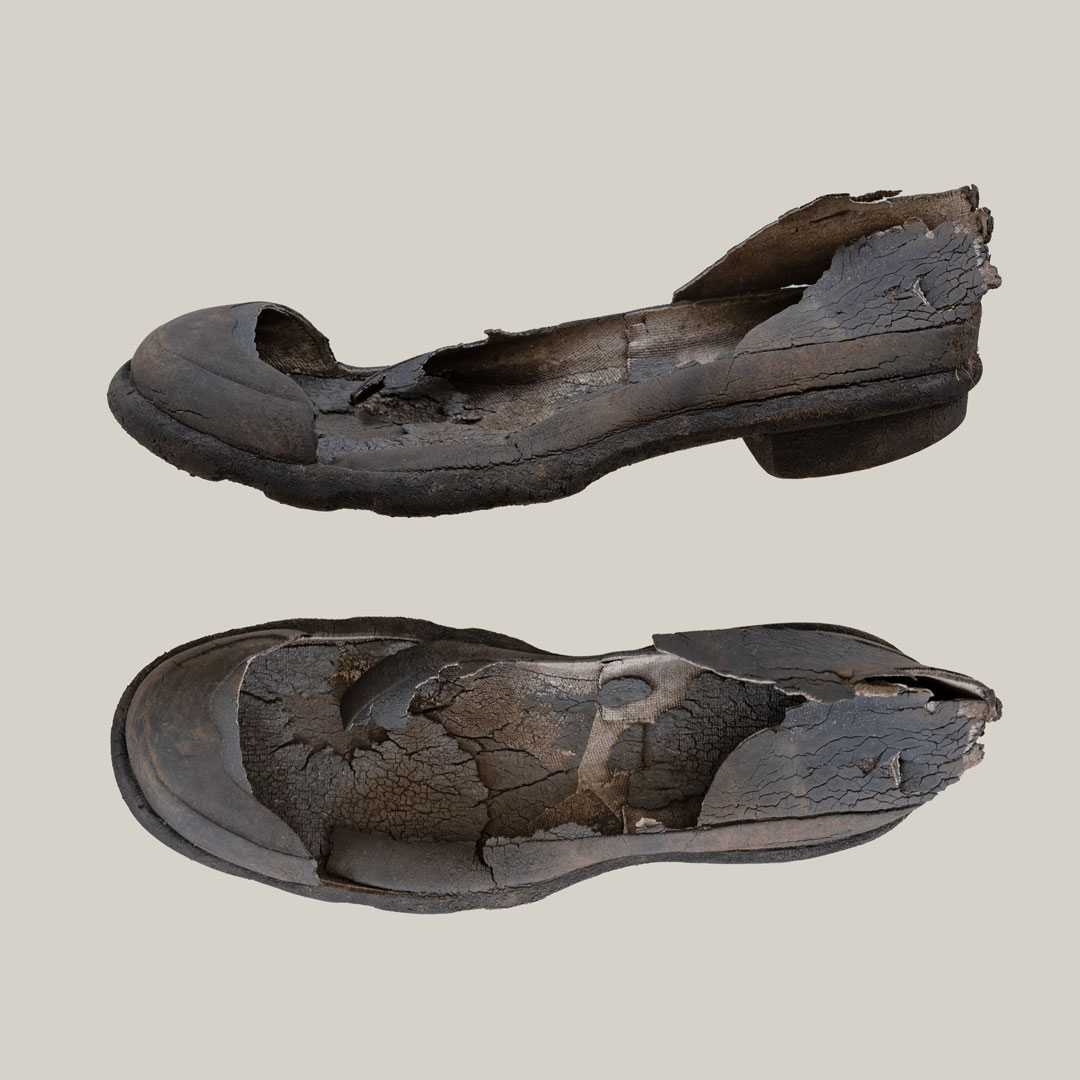
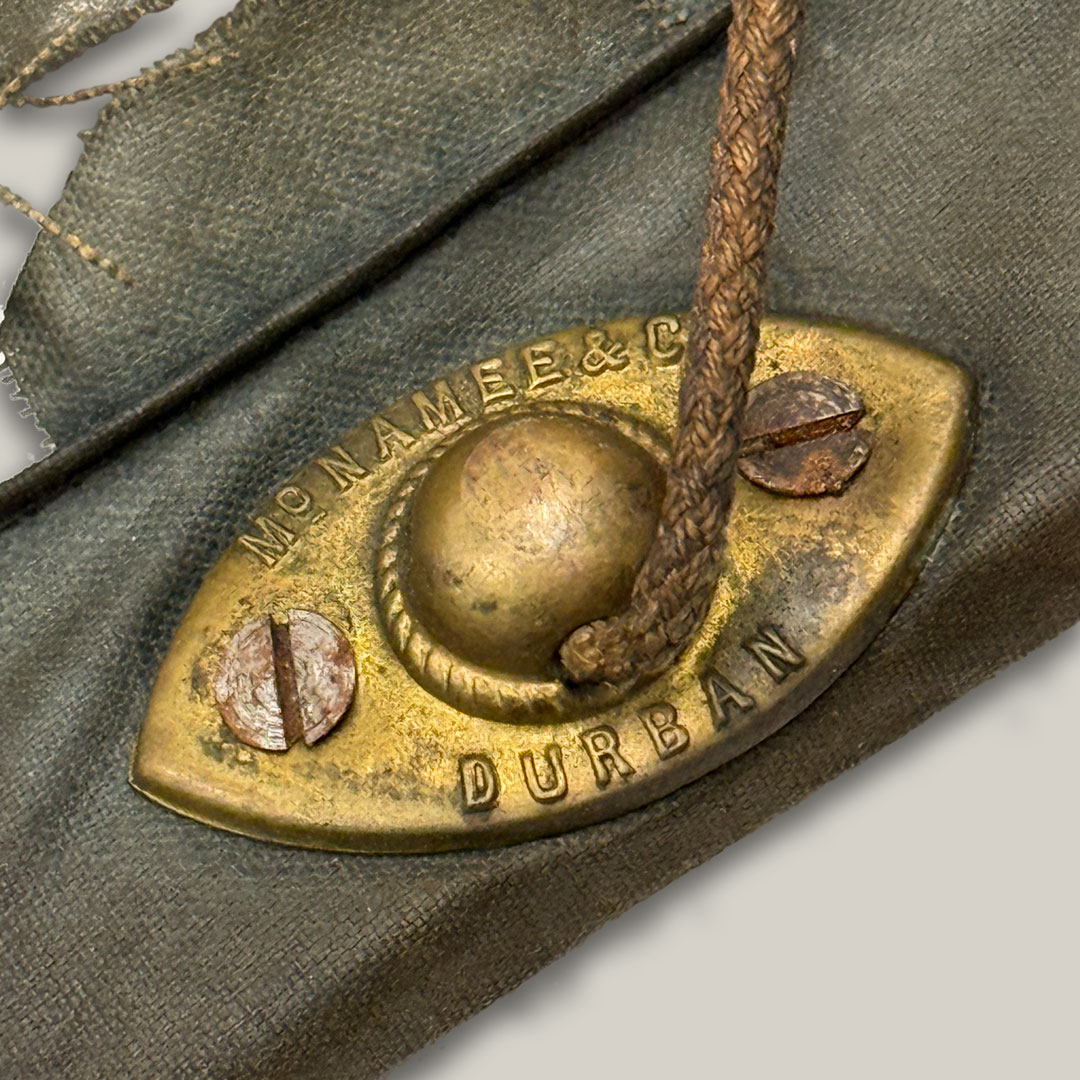
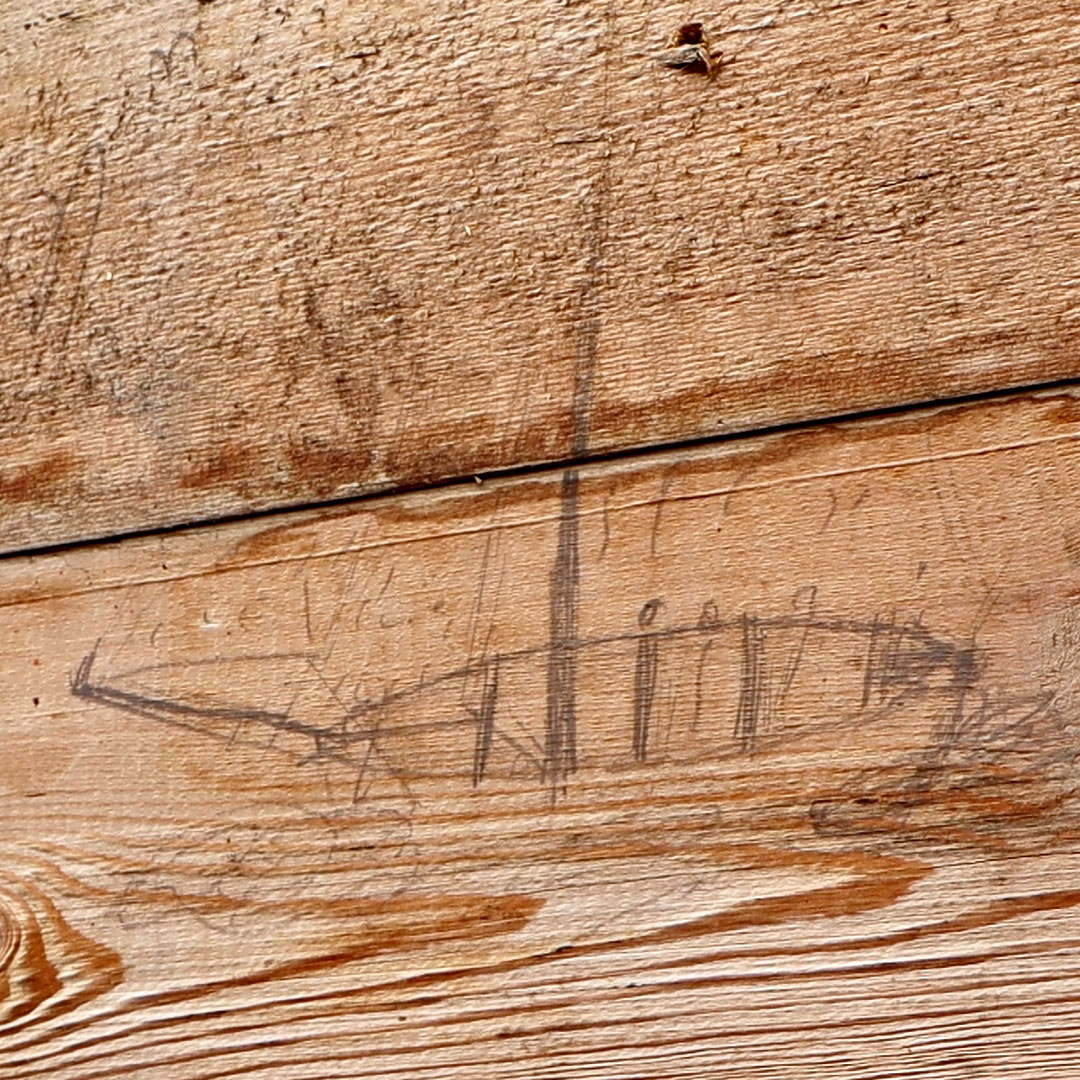
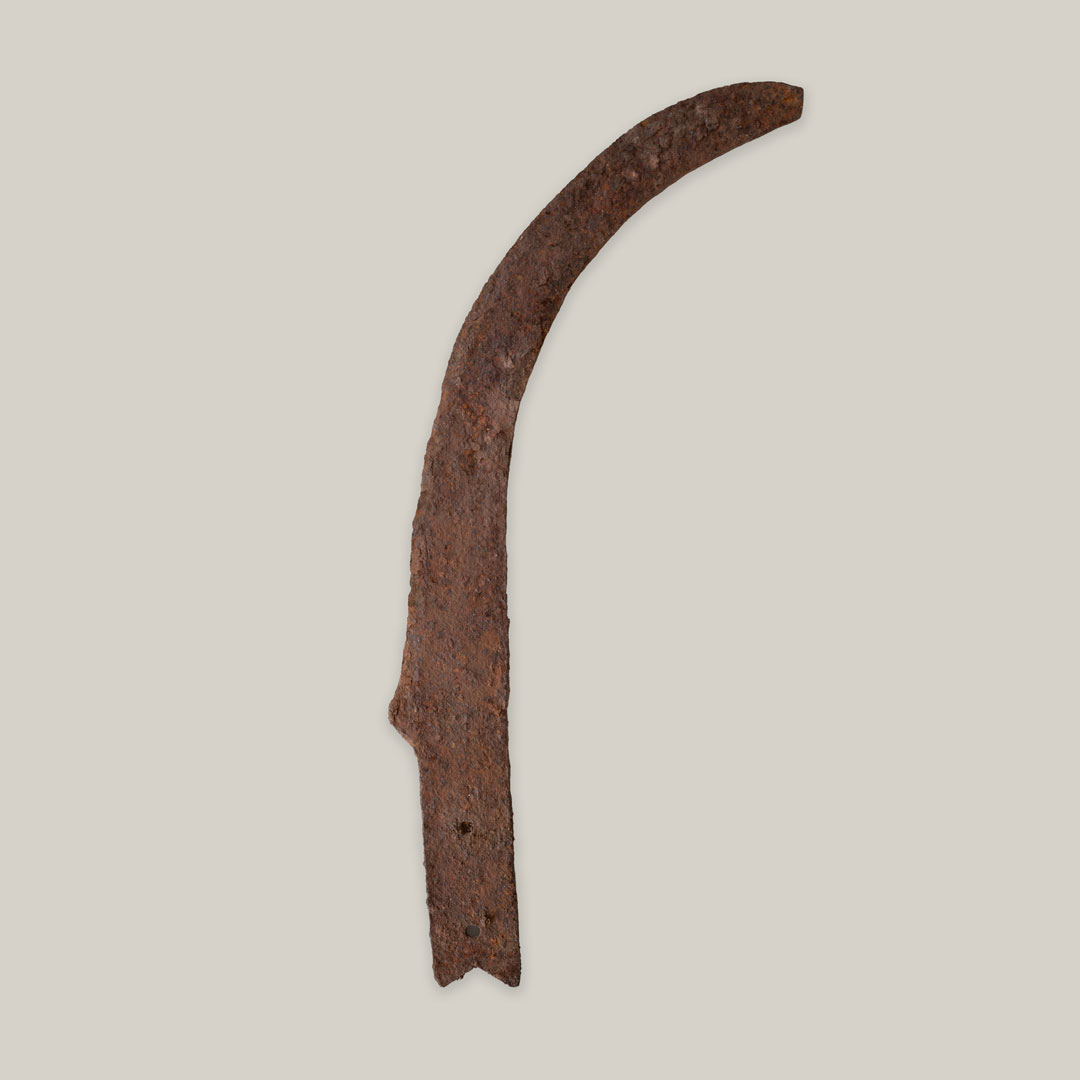
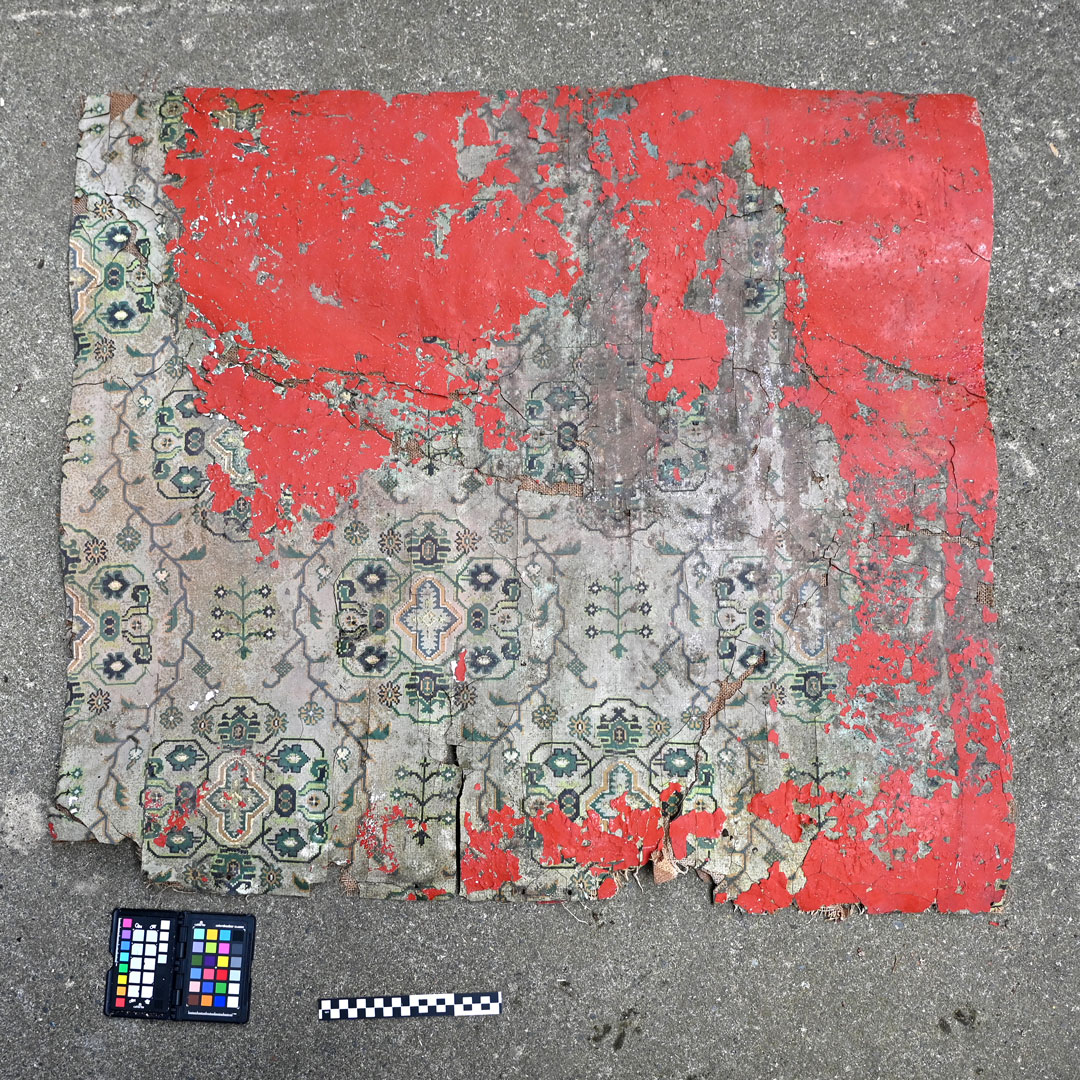
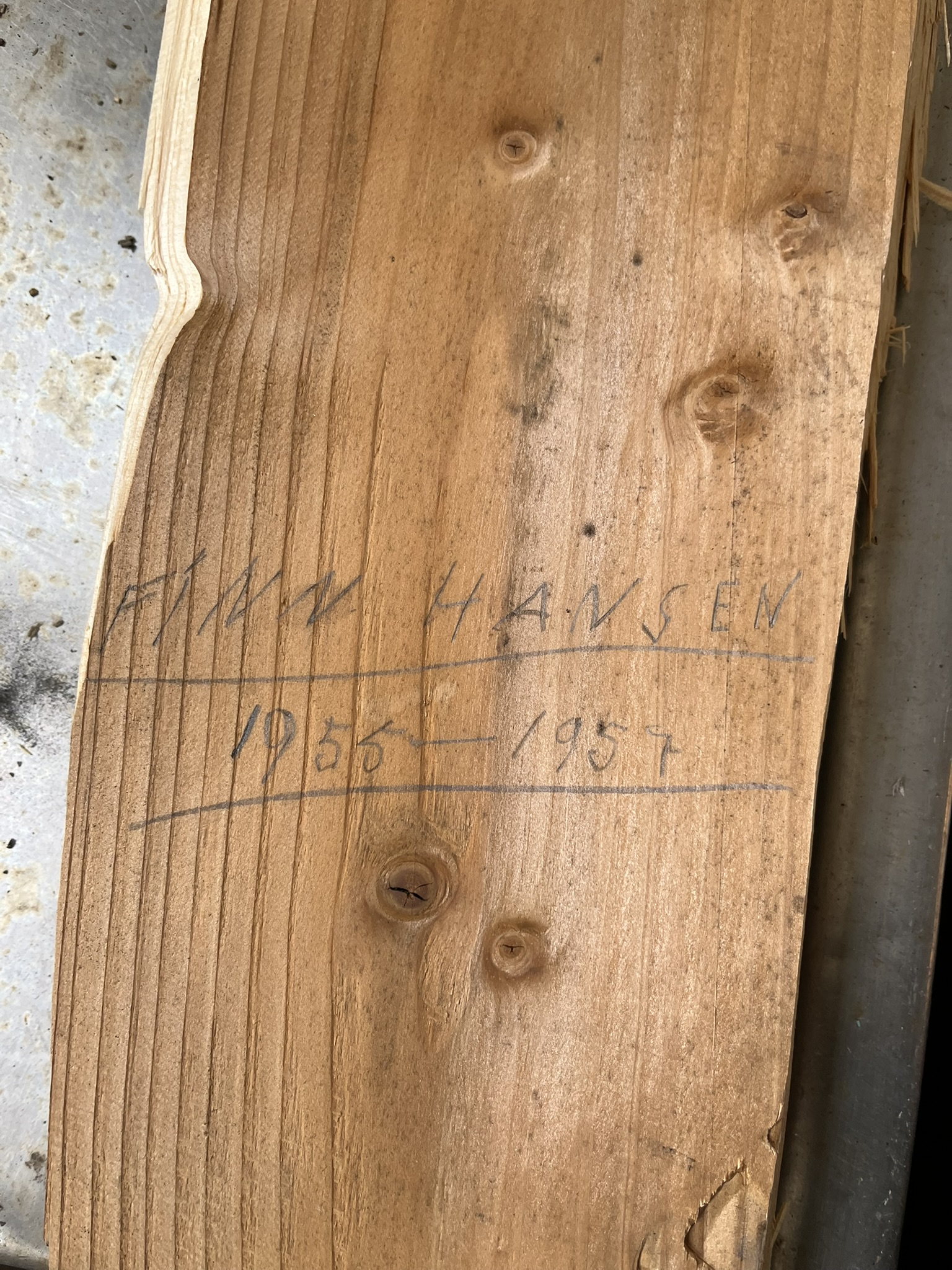
Historic changes to buildings feature renovations and upgrades – these happen even in South Georgia on a whaling station. Although many objects have been taken from the Villa over the years, those that remain can reveal some small domestic histories.
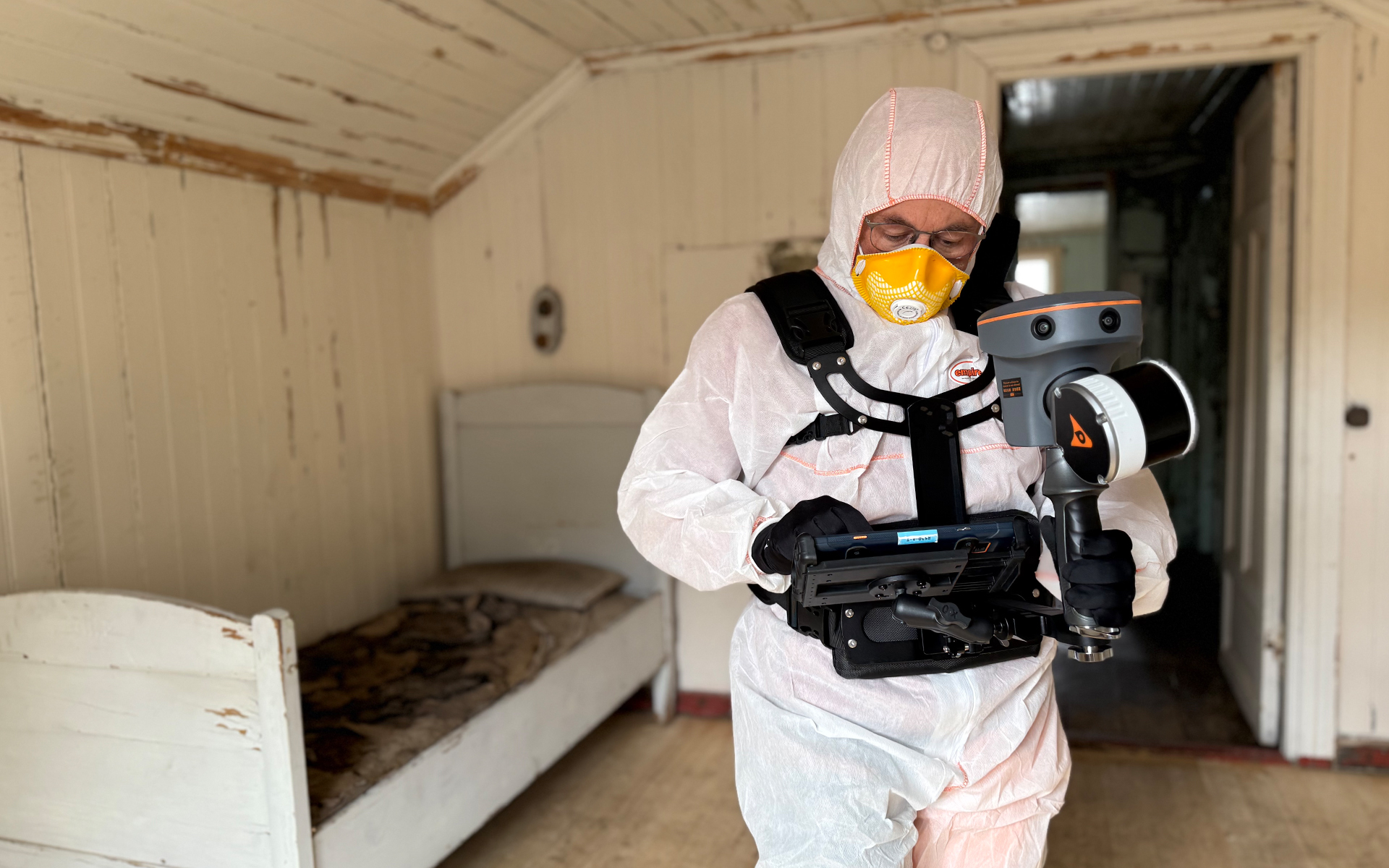
These discoveries found during the stabilisation were preserved as they were mostly hidden in eaves and cupboards, within walls and away from easy access. In many ways they beg more questions than they reveal. Who put them there and for what purpose? Did the depositor forget they were there? And did they intend to come back for them?

One of the most significant stories was revealed from a concealed attic space. Only accessible to the Stabilisation Team when they removed the roof in order to replace it. When the roof was removed it revealed discarded objects. These may have been placed there as long as 100 years ago, as the objects are all contemporary to each other. It included a Mariner’s Cap, Hartshorn blind (dated 1915), solid wood ski pole (likely handmade) and off-cuts of linoleum floor covering (with the same pattern that can be found elsewhere in the Villa). These significant objects were removed from the Villa and have become part of the South Georgia Museum’s Collection.
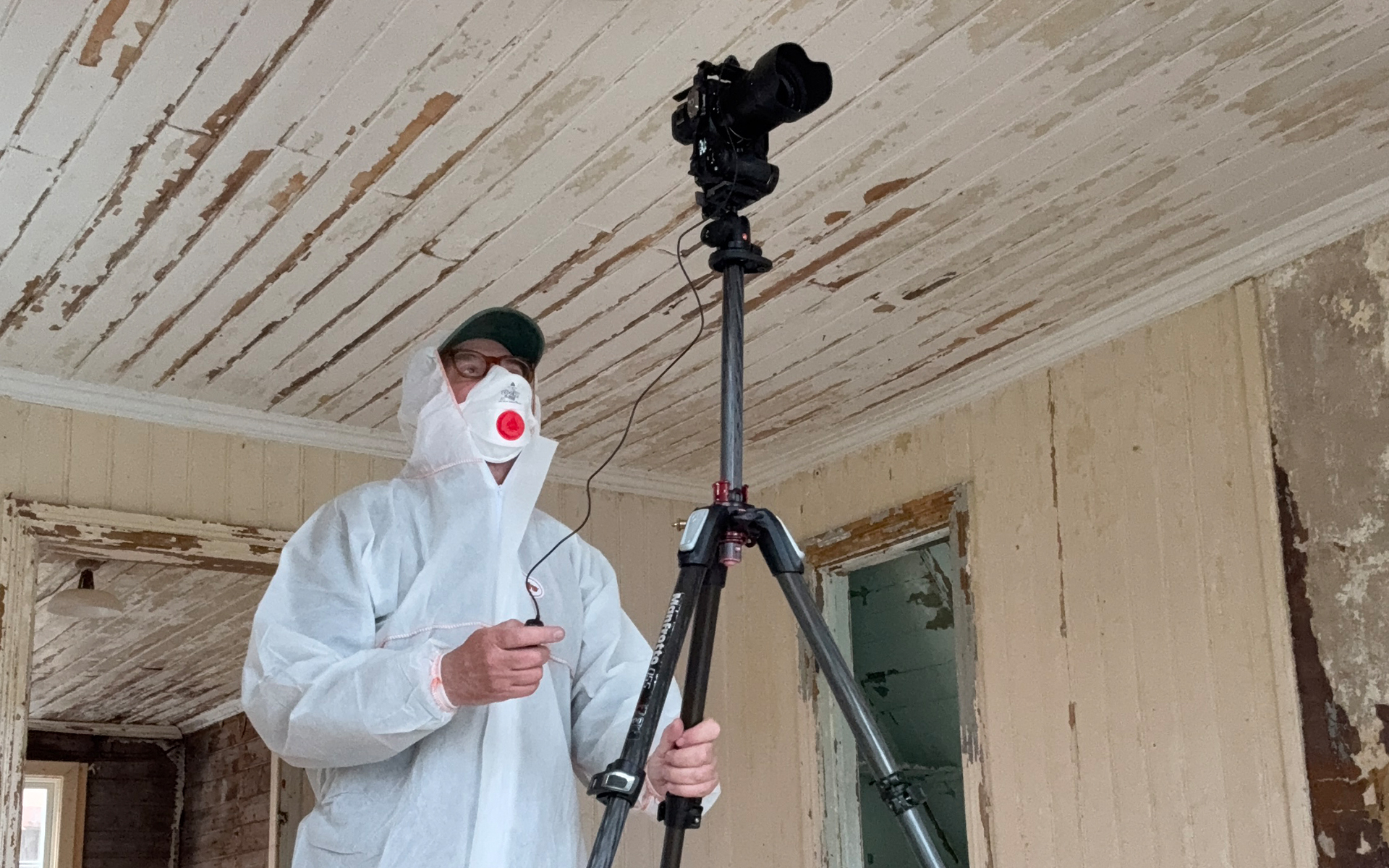
Collection Team

Helen Balfour (South Georgia Museum, Assistant Curator)

Tommy Moore (Director, Thomas Moore Associates)

How the villa was captured

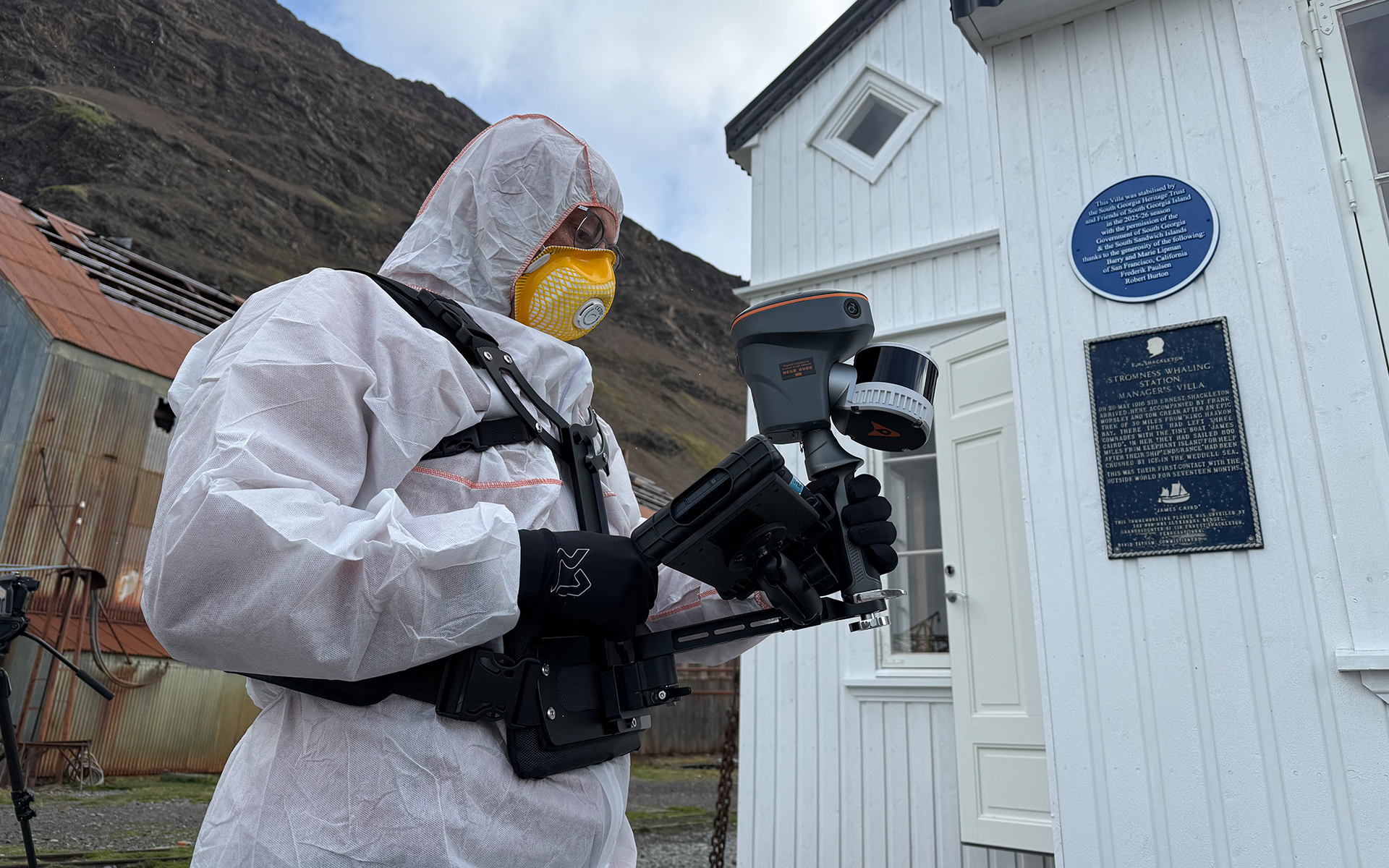
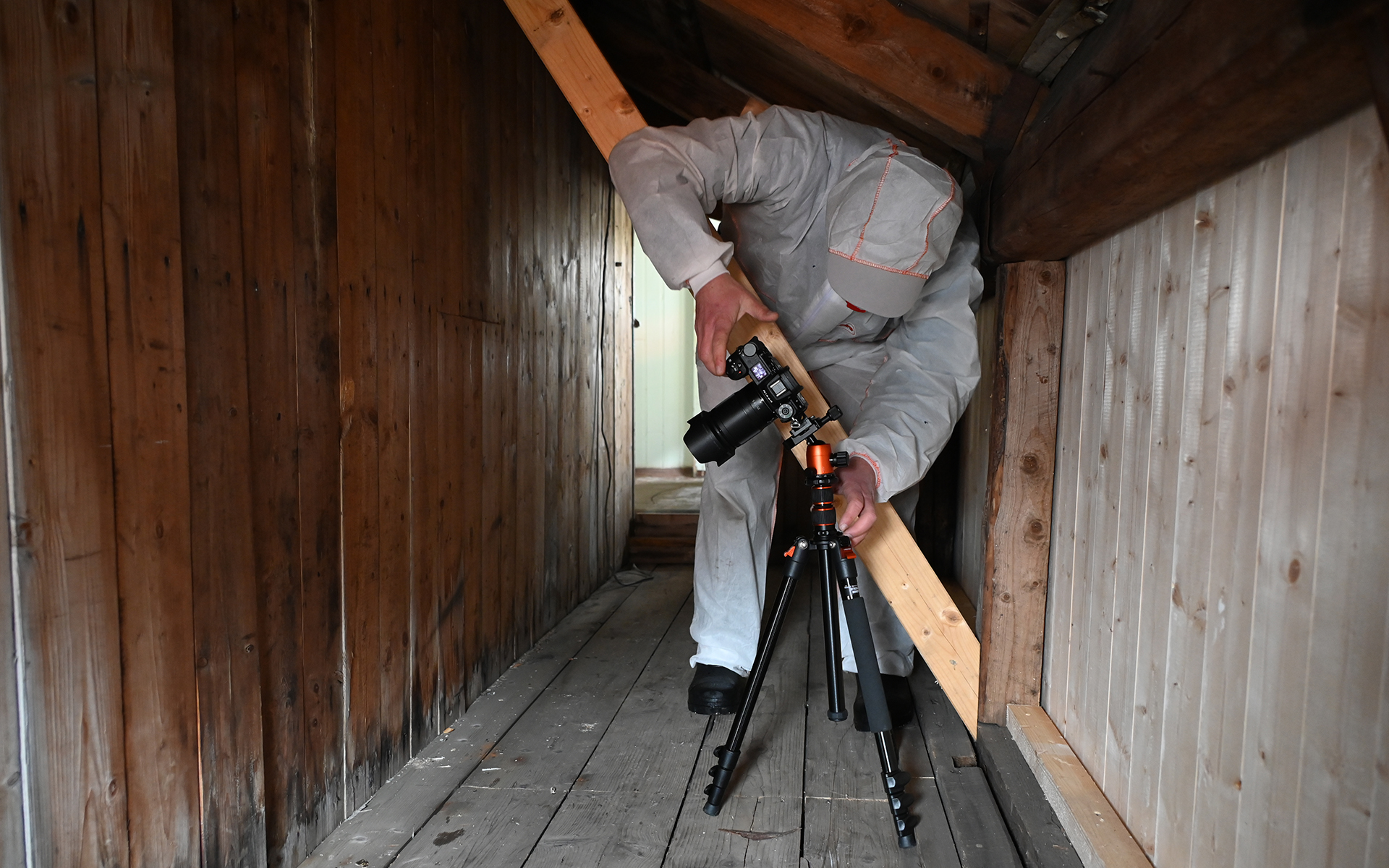
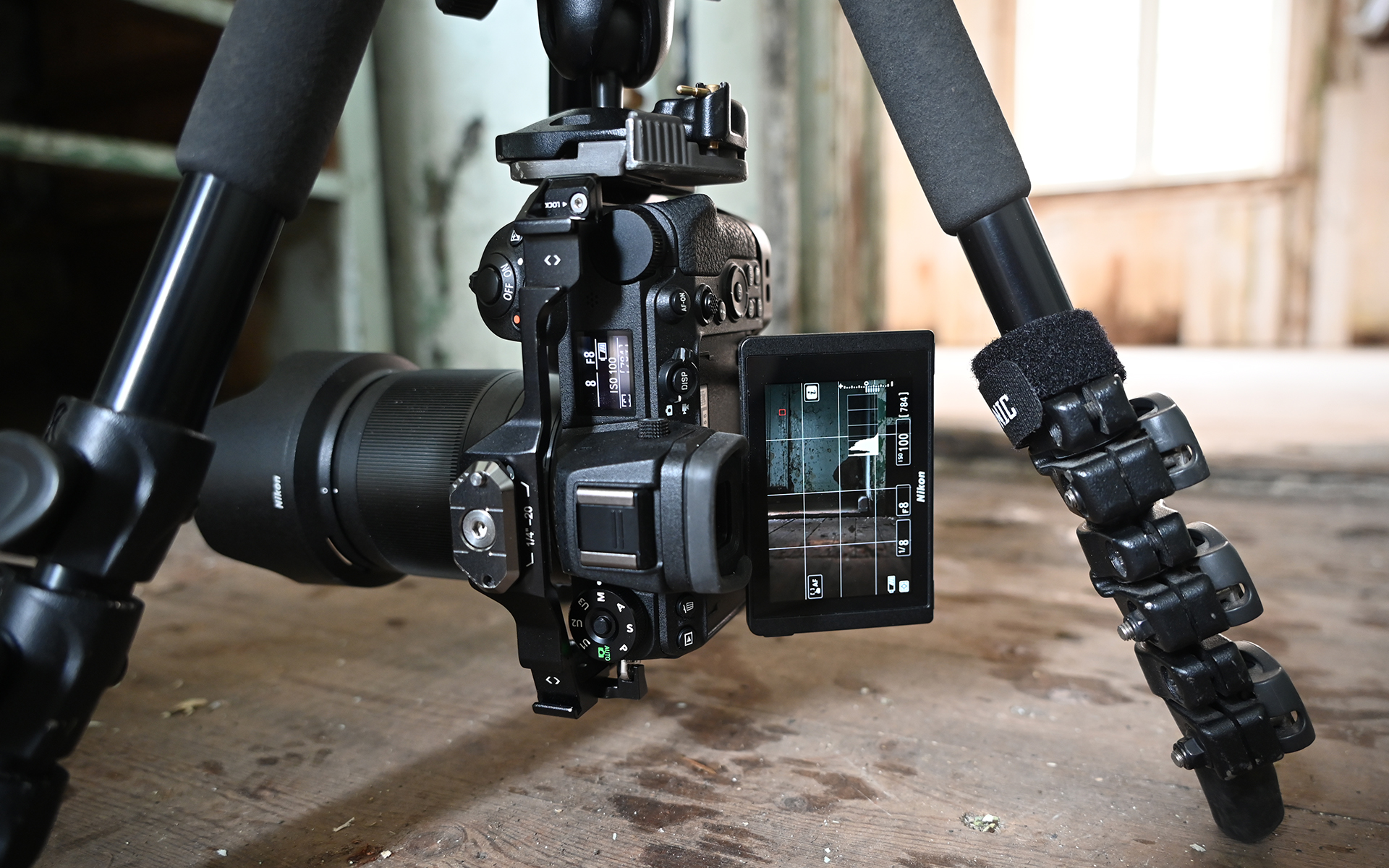
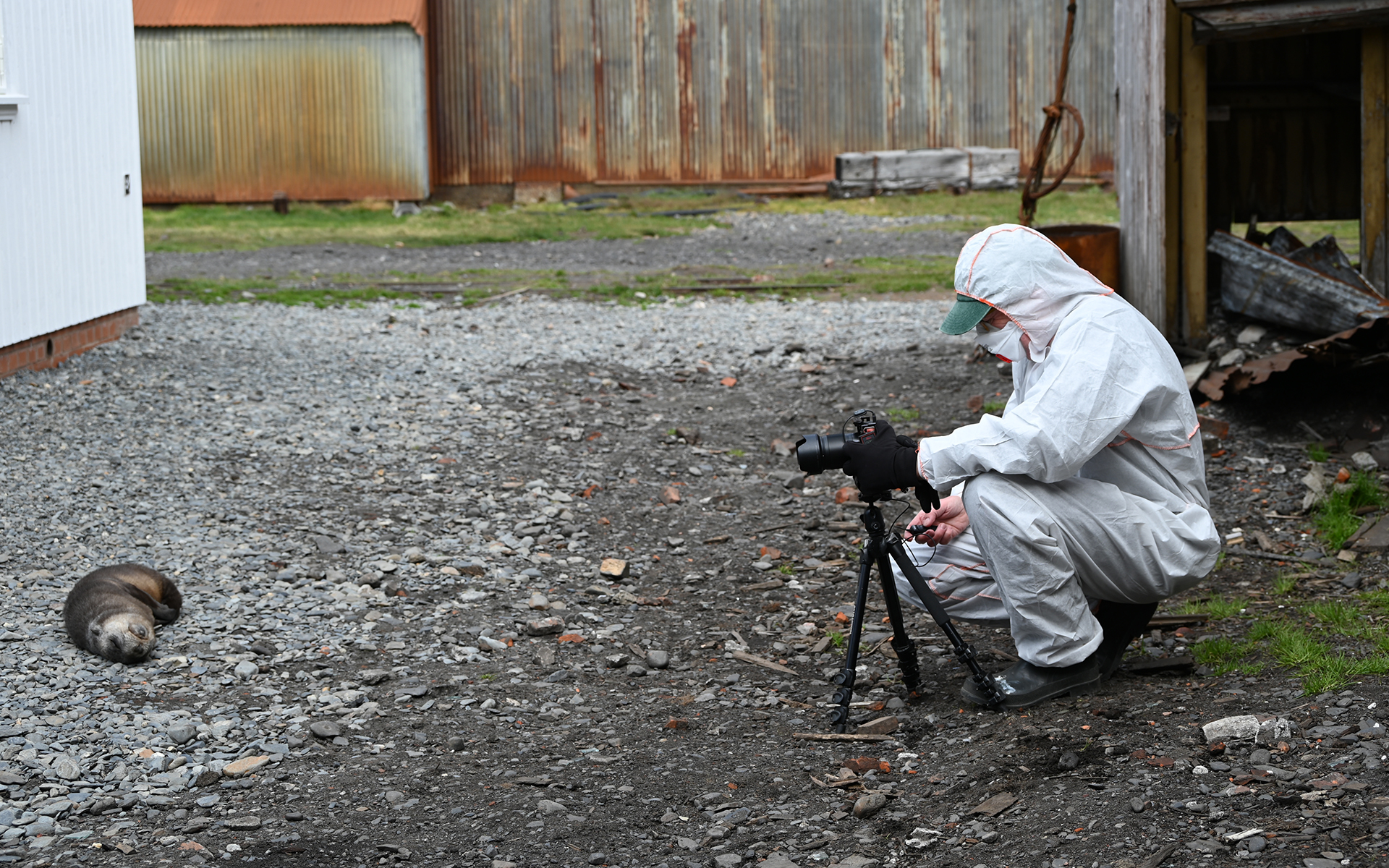
Arriving on-island near the end of the stabilisation project our team of digital specialists, Art Lewry and Jack Beccegato, used photogrammetry, LiDAR scanning and drone imagery to create a high-resolution 3D digital replica of the Villa.
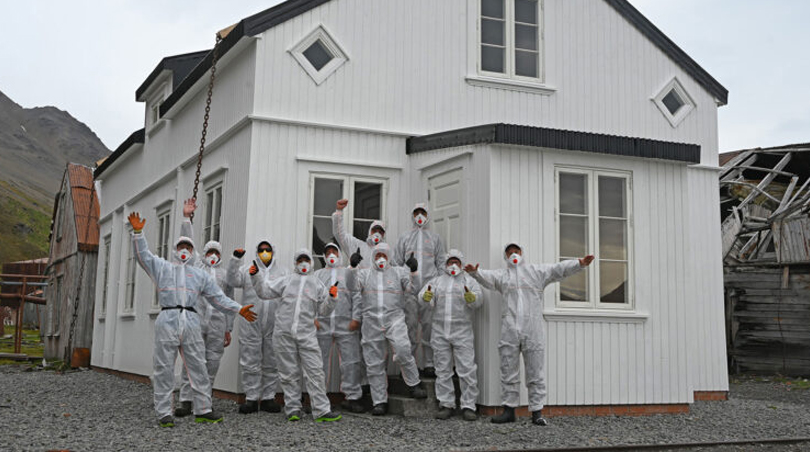
Thousands of high-resolution photographs were taken of every surface of the interior and exterior of the Villa, capturing features, textures and environments in fine detail. These images, together with the LiDAR scans captured using rapid pulses of light, generating millions of precise distance points across walls, roofs, interiors, and surrounding ground. The images and  “point cloud” were then cleaned, aligned, and meshed to form an accurate digital model that preserves the Villa’s geometry and subtle surface details. This technology supports the digital replica by allowing visitors to explore a geometrically faithful representation of a fragile building that cannot easily be accessed in person

The build team

  • Richard Hall (Team Leader / Project Lead)
  • Norwegian Carpenters: A core team of Norwegian master heritage carpenters who specialized in traditional timber restoration and historical building techniques.
  • British Specialists: Included a team doctor, asbestos removal specialists, and support personnel from the RSK Group.

Project partners and support

  • Lead Organisations:  South Georgia Heritage Trust (SGHT) and Friends of South Georgia Island (FOSGI).

  • Logistics & Vessels: Supported by 60 South LTD (using the vessel Meredian) and Ocean Expeditions (using the vessel Sola) for transport and offshore living quarters.

  • Regulatory Oversight: Conducted with permission and oversight from the Government of South Georgia & the South Sandwich Islands (GSGSSI).

Ship Support

  • The ships Meredian and Sola provided logistical support for the beginning of the season and Meredian was anchored in Stromness Bay for the duration of the project as a floating, transport-providing hotel. On board, the team was multilingual and though small, over seven countries were represented by the people living and working on board.