All the shore whaling stations on South Georgia had a formal structure that was hierarchical. The station manager was at the top.

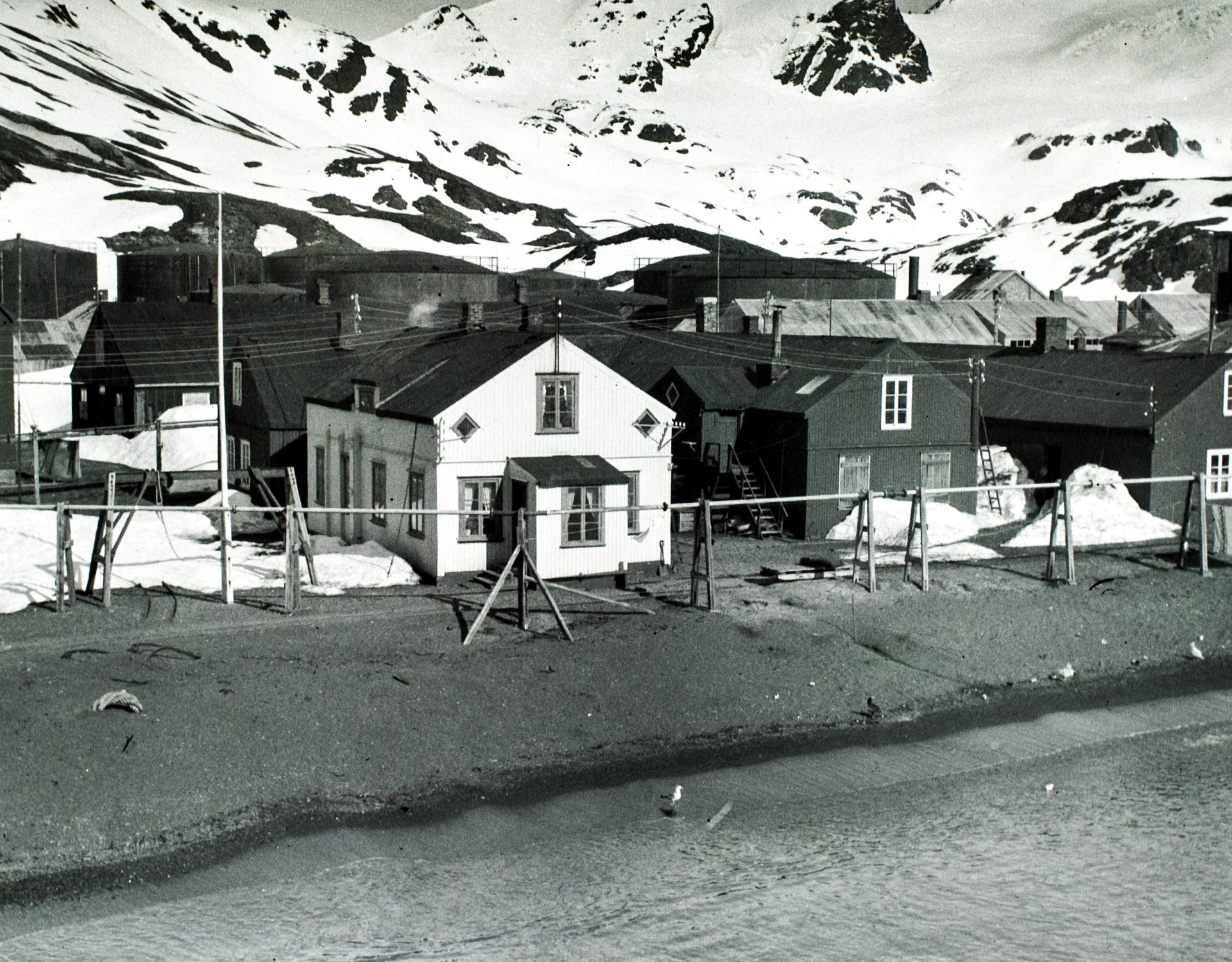
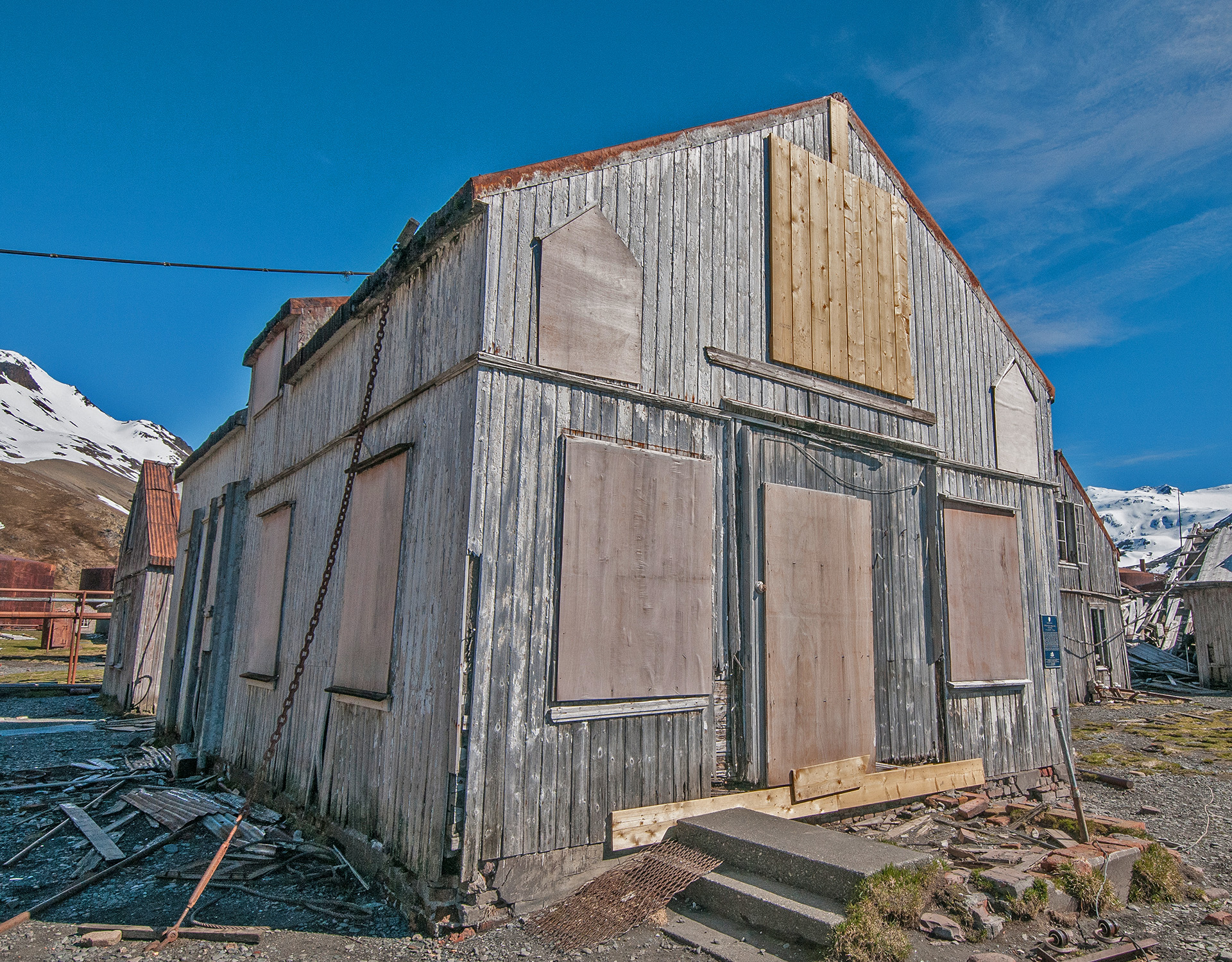
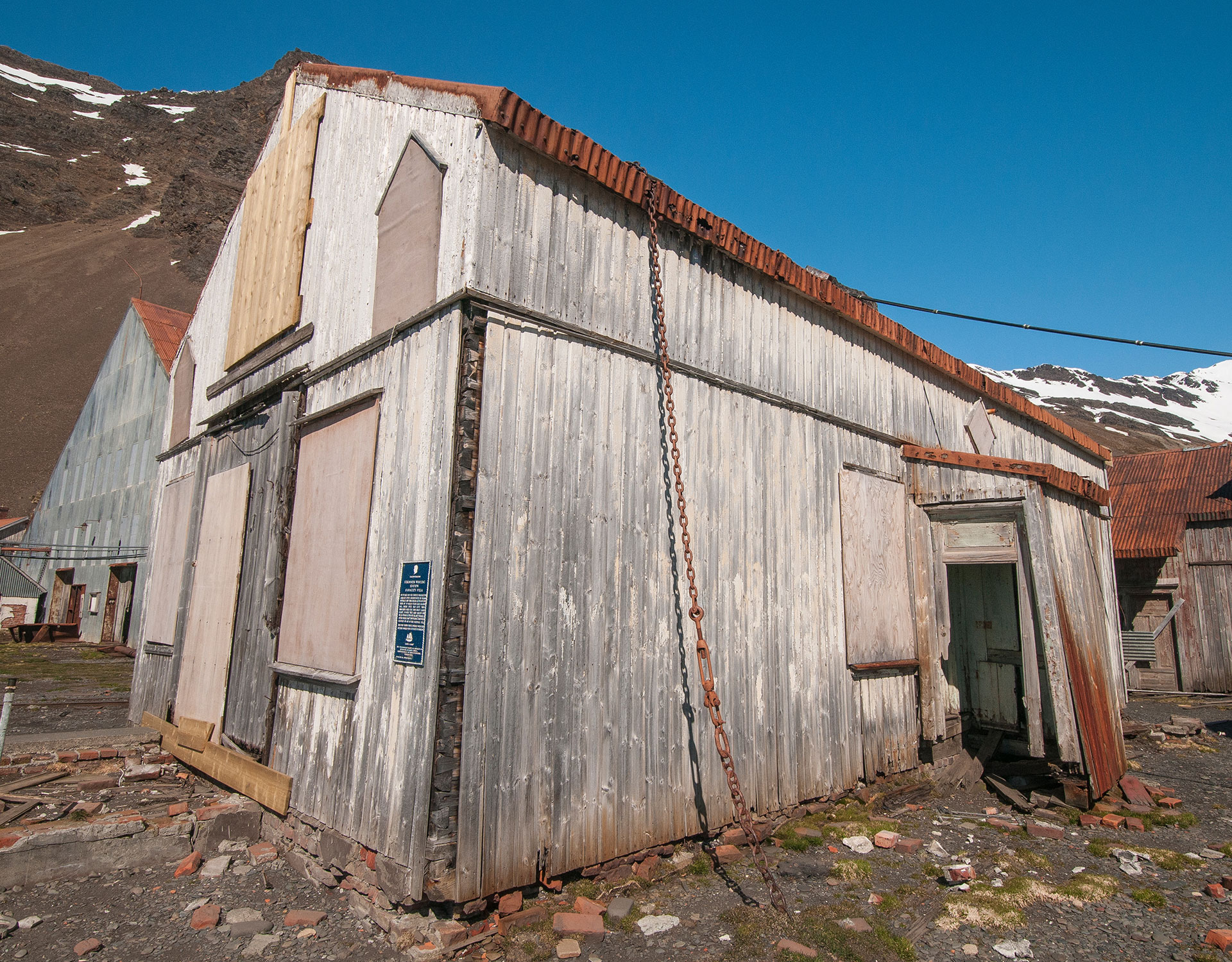
The Station Manager’s Villa’s prominent position on the shore at Stromness was symbolic of the separation of management from workers and the processing factory. Here, the manager of the whaling station would have lived, sometimes with his family.

The word “Villa” was used at South Georgia’s Norwegian-run whaling stations for the manager’s house. It did not mean a grand country residence in the usual sense, but marked the building out from the bunkhouses, workshops and processing areas around it: a comparatively comfortable domestic space for the station manager and senior staff, and a visible sign of hierarchy within the industrial settlement.

On 20 May 1916, three exhausted men arrived at the Villa after crossing South Georgia without sleep or shelter. What followed was not an ending but a beginning: the moment at which help could finally be organised for the men left on Elephant Island.

That is why the Villa still resonates. It is tied not only to endurance, but to responsibility — to the point where survival became an obligation to return for others.
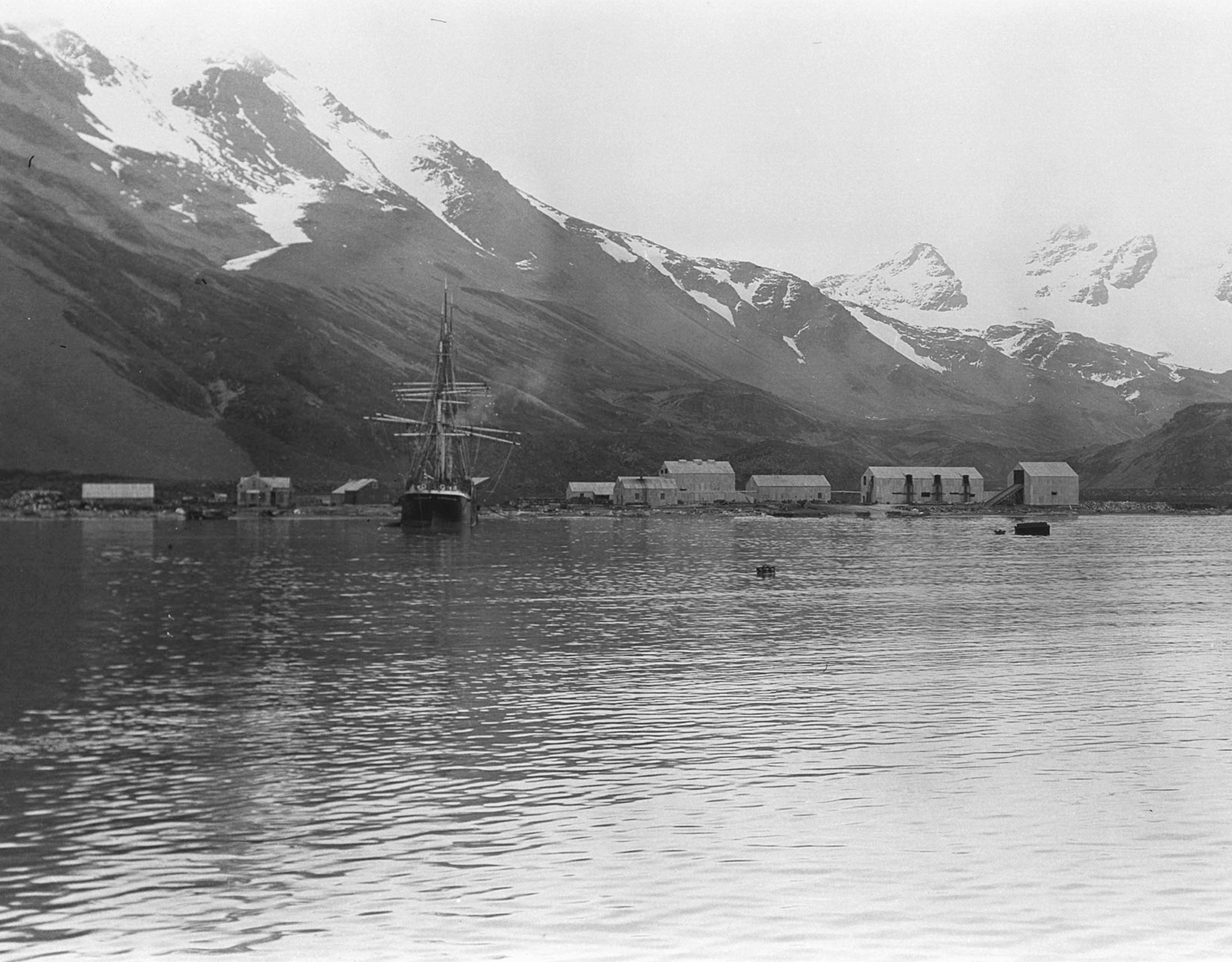
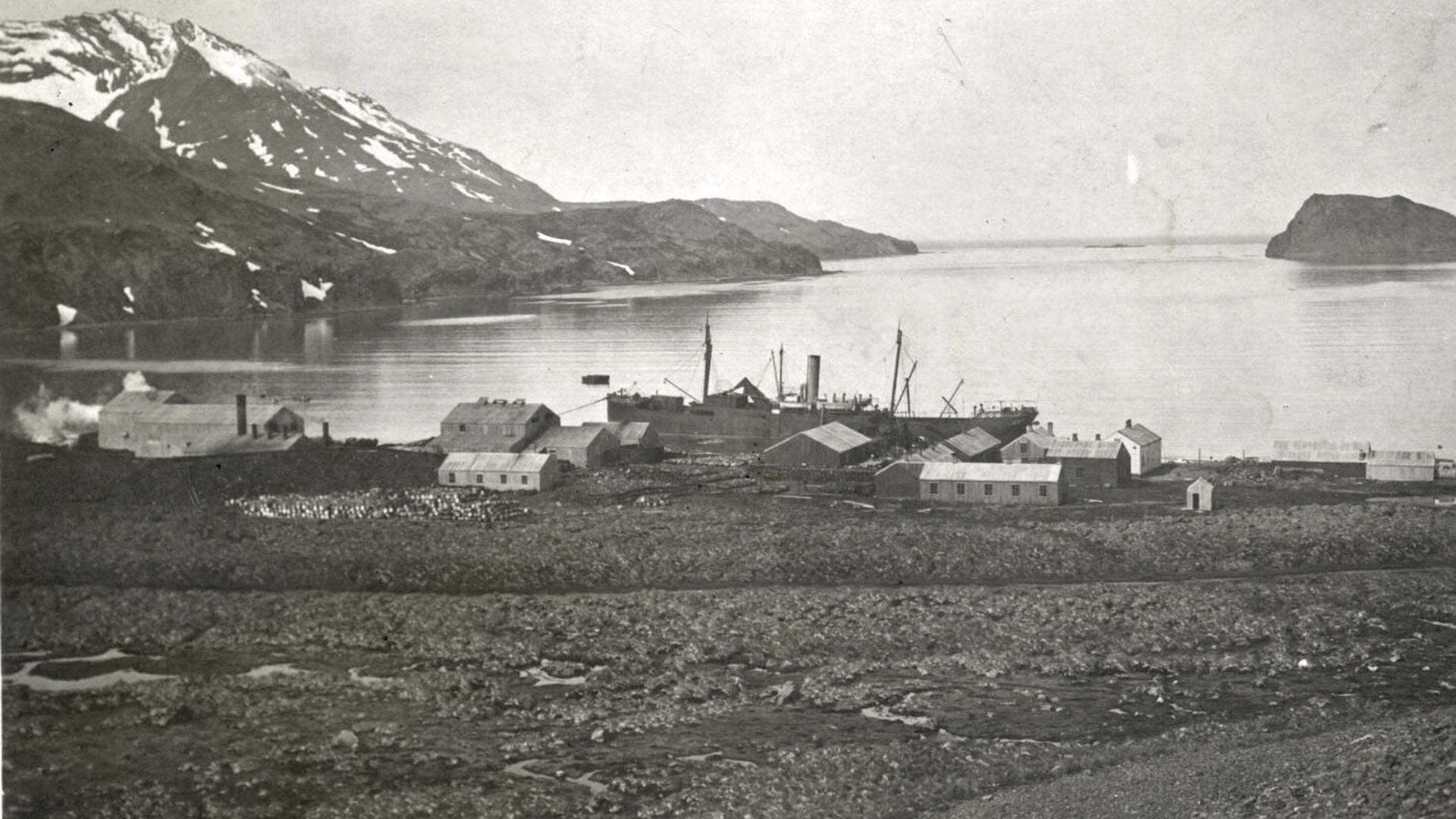
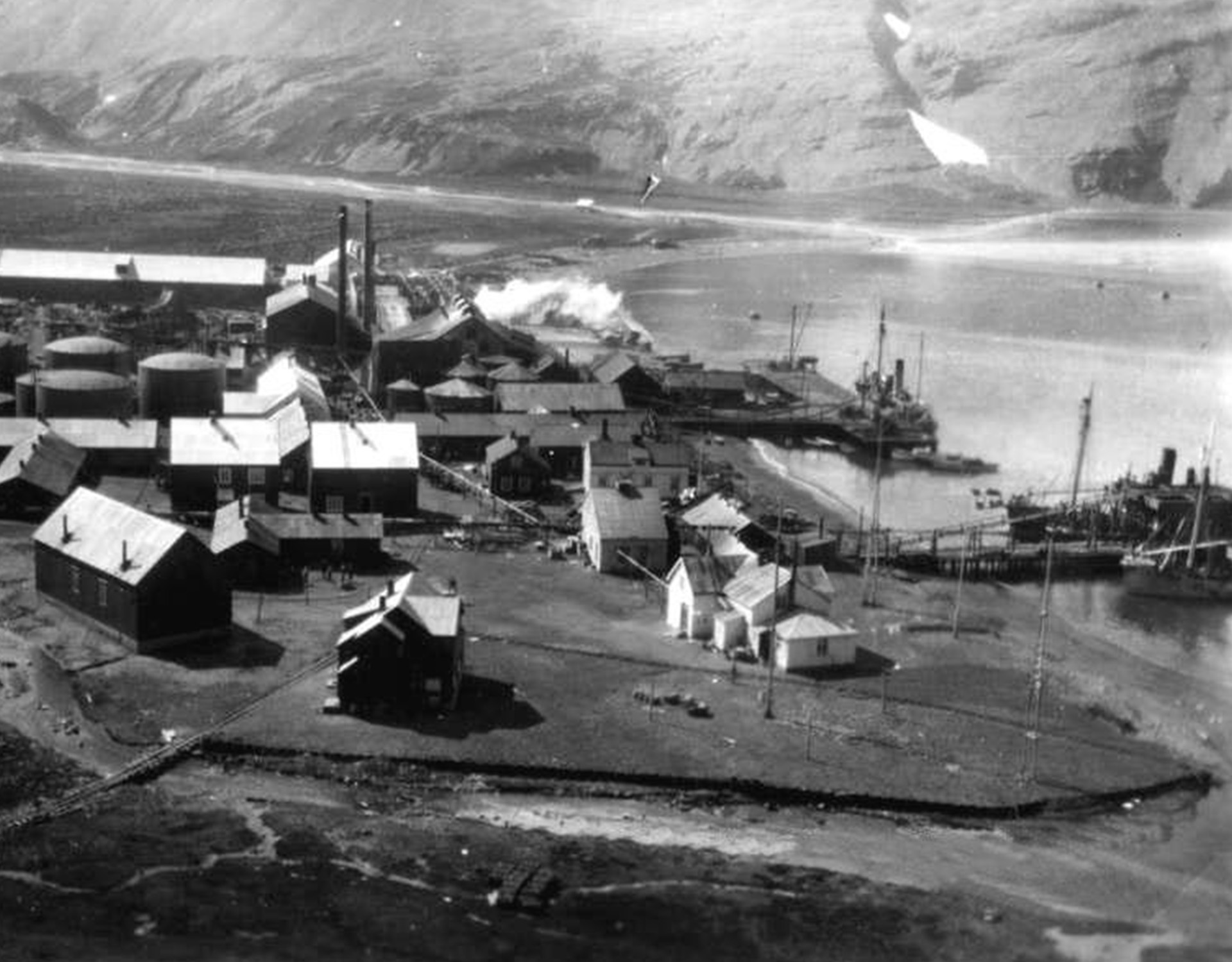
Stromness in April 1913. Image: In the possession of Torkel Fagerli
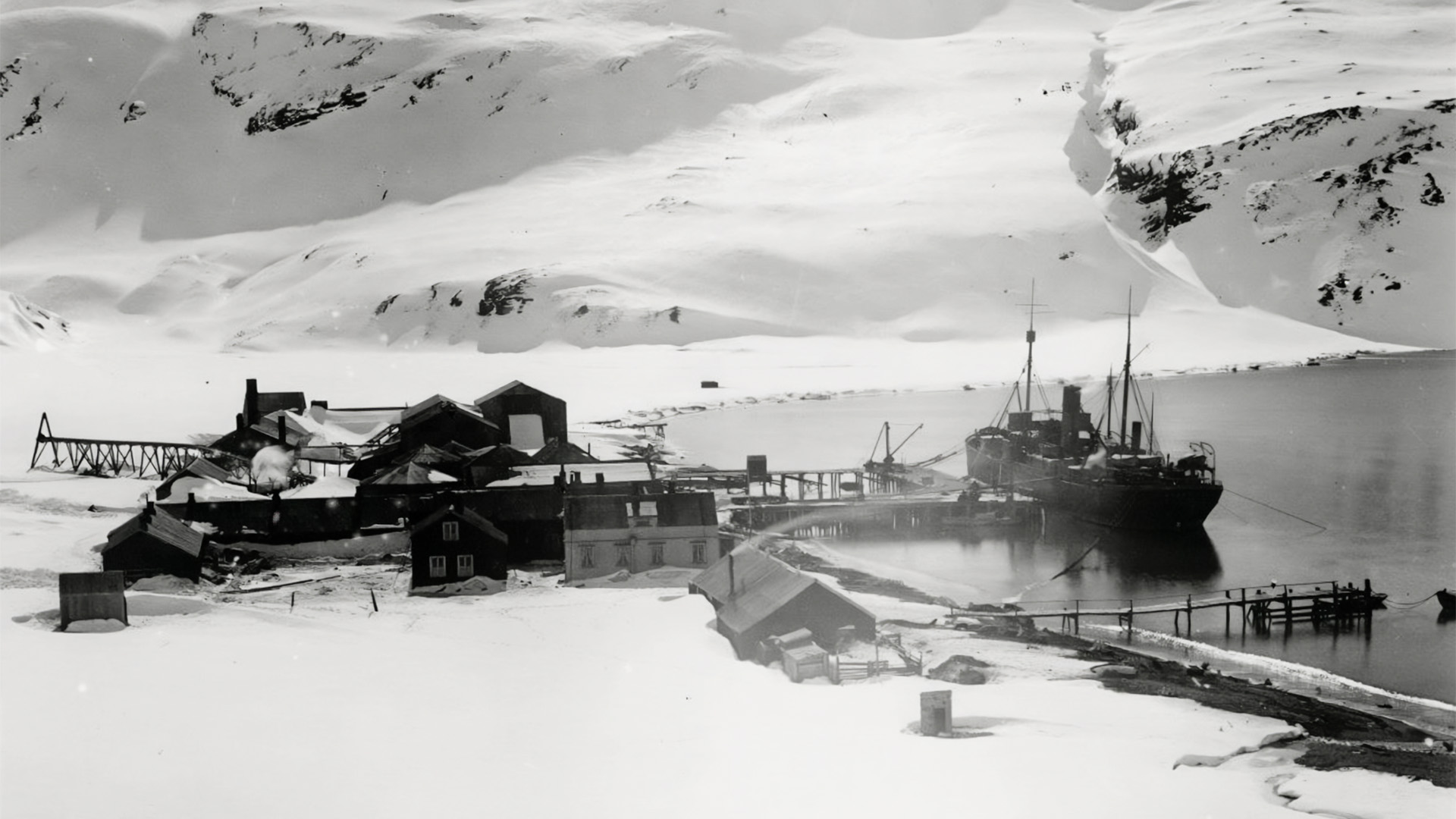
Stromness, Winter 1916. Image: Sandefjordmuseenes

The Stromness whaling station

Stromness began as a floating factory base in 1907 before a land station was built in 1912. Under manager Thoralf Sørlle, whaling started by the end of October 1912. It became one of the island’s working whaling communities along with Grytviken, Husvik and Leith Harbour.

The site was chosen in Rosita Cove but later renamed Stromness Harbour by the British authorities. The site had good access to fresh water and was built based on patterns established at whaling stations in Finnmark, in Norway. The station was built along the shoreline and from the very beginning, Stromness was equipped with electric lighting.

Thoralf Sørlle first encountered South Georgia when working on the second Jason Expedition, led by Carl Anton Larsen. He was hired as a gunner, in search of whales in the Antarctic waters. He was employed by Sandefjord’s Hvalfangerselskab’s shore station in Stromness which became the place where he spent the rest of his working life, between 1912 to 1931 when the station closed. After whaling from Stromness stopped, he remined there for several years before returning to Sandefjord, Norway. He died from a stroke aged 64 on 25 May 1939.

In 1945 the ownership of the whaling station at Stromness was passed to Christian Salvesen & Co. who operated the neighbouring Leith Harbour station. They converted the station in Stromness to a ship repair yard, hiring skilled professionals to outfit ships in their fleet and keep the stations running. The station was finally abandoned in 1961.

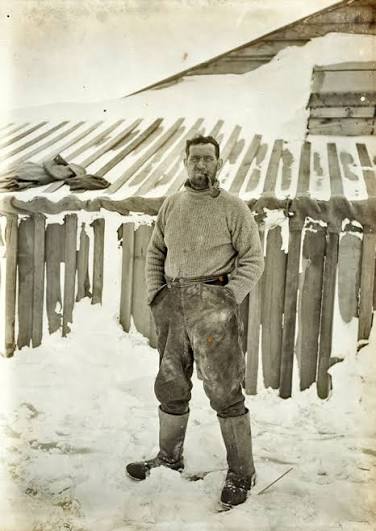
Thoralf Sørlle, Manager of Stromness whaling station. Image: Credit TBA
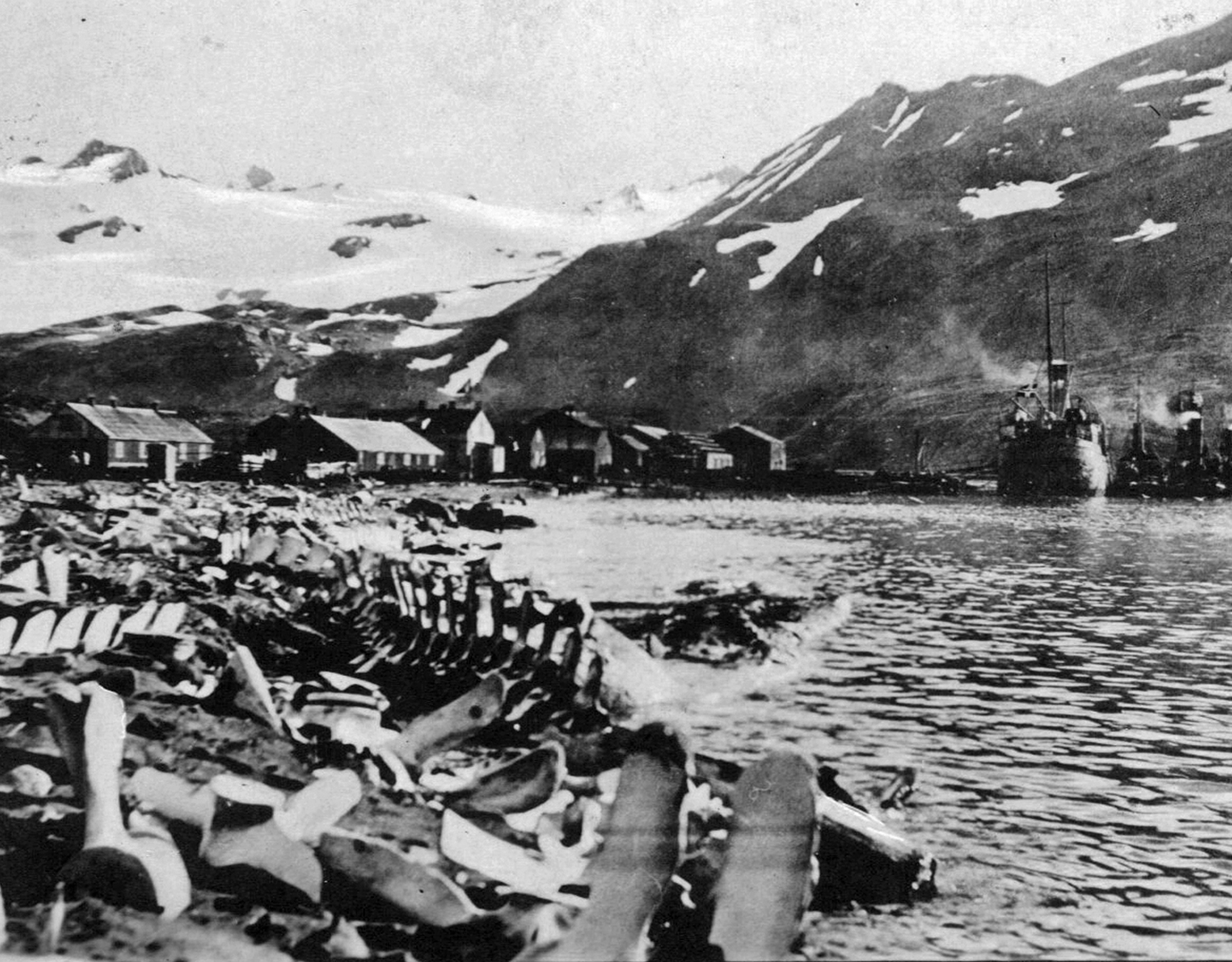
Stromness, c. 1913. the Villa can be seen to the right. Image: Odd Galteland from his book Whaling at Stromness, South Georgia

The Manager’s Villa at Stromness

In 1913, Stromness could accommodate 70 men. The housing and catering conditions reflected the organisational structure and work hierarchy of the shore station.

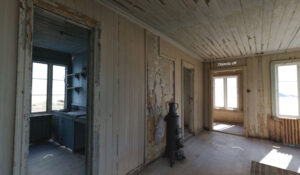
Manger Sørlle had his own house called ’The Villa’. It was a typical Norwegian style house with a living room, dining room, a kitchen, a bedroom and guest room.

In 1917, the inventory contained the following:

  • 1 set of furniture – sofa, chaise lounge and 6 soft chairs
  • 1 desk with copy press
  • 1 coffee table
  • 1 billiard table
  • 2 etchings in glass and frame
  • 4 hanging lamps
  • 1 barometer
  • 1 barograph
  • 1 regular clock
  • 13 wooden chairs
  • 3 wicker chairs
  • 1 typewriter, Royal brand
  • 4 beds with mattresses

Source – Odd Galteland, Whaling at Stromness, South Georgia

The rest of the men lived in a barracks with six bedrooms, each housing between 10 and 12 men (6 bunk beds). The housing was simple but well contained. Each room had an electric light bulb.

Visit the Villa

Explore the Villa as a remote museum from anywhere in the world, moving through its rooms as story, place, and preservation come together.

The 3D experience lets you move room by room through this historic house, exploring spaces tied to Shackleton’s arrival, station life, and the recent work to keep the building standing. Tour the Villa at your own pace, wherever you are.