An Epic Journey

Elephant Island was the crew’s first solid ground after months trapped in the ice and then adrift in open boats, but it was no safe refuge. The island was remote, exposed and far from regular shipping routes, with little shelter beyond what the men could improvise from overturned boats, canvas and stones. After the loss of Endurance, reaching land had been a victory, but it did not mean survival was secure. Shackleton understood that no rescue ship was likely to find them there by chance. If the men were to live, someone would have to leave Elephant Island, cross the Southern Ocean and reach help.

Elephant Island

The island was the crew’s first solid ground after months trapped in the ice and then adrift in open boats, but it was no safe refuge. The island was remote, exposed and far from regular shipping routes, with little shelter beyond what the men could improvise from overturned boats, canvas and stones. After the loss of Endurance, reaching land had been a victory, but it did not mean survival was secure. Shackleton understood that no rescue ship was likely to find them there by chance. If the men were to live, someone would have to leave Elephant Island, cross the Southern Ocean and reach help.

The James Caird Journey

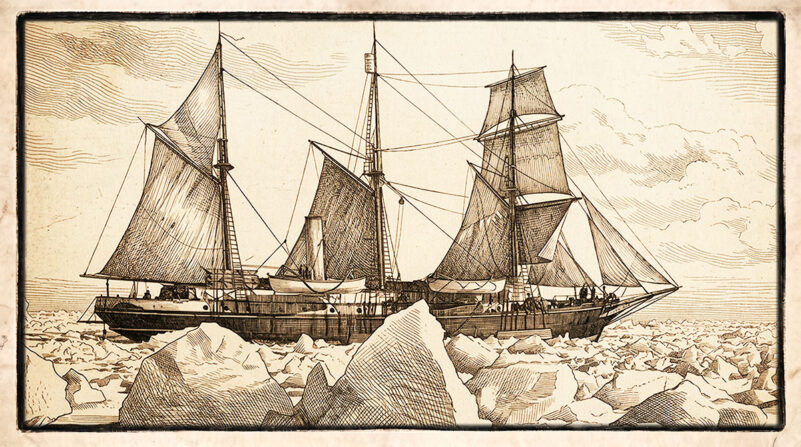
On 24 April 1916, Shackleton and five companions launched the James Caird from Elephant Island and set out for South Georgia, more than 700 nautical miles away across the Southern Ocean. The boat was only 22.5 feet long, strengthened as best it could be for the voyage, and carried the expedition’s last real hope of rescue. For more than two weeks the six men endured freezing spray, heavy seas, hunger, thirst, cramped conditions and the constant risk of being overwhelmed by waves. Their success depended on Frank Worsley’s navigation, which had to be carried out in brief glimpses of sun between storms. When they finally sighted South Georgia after seventeen days at sea, they had completed one of the most remarkable small-boat journeys in polar history — but the men left on Elephant Island were still waiting, and help was still on the far side of the island.

The James Caird Replica

 The James Caird was originally Frank Worsley’s baby, built by W. & J. Leslie, a boat builder at Cold Harbour, Isle of Dogs. Worsley specifically commissioned the London firm to his own specifications, choosing the traditional “double-ended” whaleboat design because of its proven seaworthiness and durability in rough, icy waters

“She was double-ended and clinker-built to my orders in July 1914. …The planking was Baltic pine, keel and timbers American elm, stem-and sternpost English oak.  She was more lightly built than is required  by the Board of Trade.  This made her springy and buoyant.”

Today, the original James Caird is housed and displayed at Dulwich College in London.

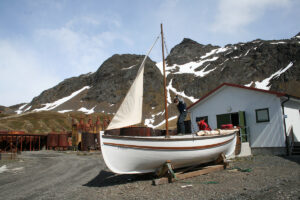
The South Georgia Museum houses a complete full-sized replica of the James Caird. The famous boat was built by Robert Wallace in Massachusetts in 2000. It was then used for the filming of ‘Shackleton’s Antarctic Adventure’, an IMAX movie released in 2001, which tells the story of the hero’s greatest triumph. The replica was purchased by the South Georgia Heritage Trust in 2007 and delivered to South Georgia by Quark ShokalSky on 13 November 2008.

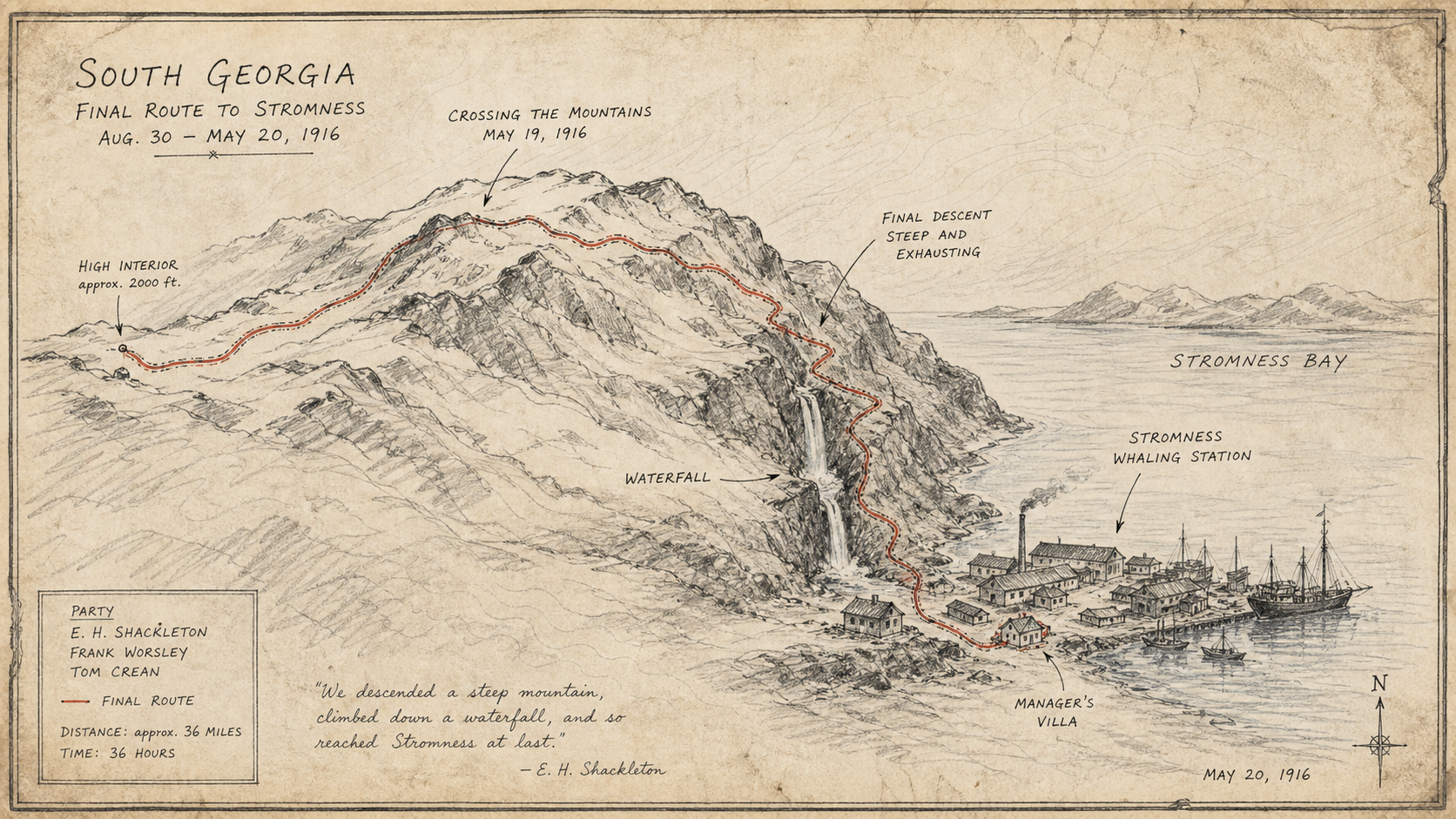
This map traces Shackleton, Worsley, and Crean’s route from Elephant Island…

NB: this map is to indicate idea, will require authentic illustration of route from Elephant Island.

Timeline of Events

  • 24 April 1916 — Shackleton and five men leave Elephant Island in the James Caird for South Georgia
  • 10 May 1916 — The boat lands on the south coast of South Georgia at King Haakon Bay
  • 19 May 1916 — Shackleton, Worsley, and Crean set out on foot across the island
  • 20 May 1916 — They reach Stromness and the Manager’s Villa after a non-stop 36-hour crossing
  • 30 August 1916 — Shackleton returns to Elephant Island and rescues the stranded crew

The Crossing of South Georgia

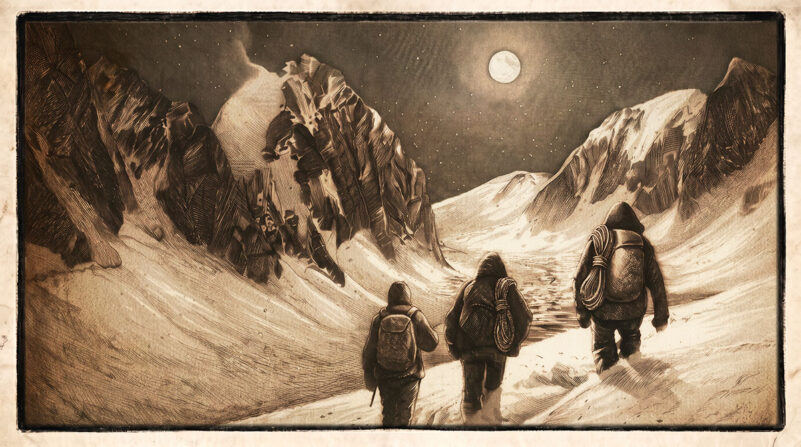
The James Caird landed on the southern coast of South Georgia, but the island itself now stood between Shackleton and rescue. The whaling stations lay on the north coast, beyond mountains, glaciers and country that had not been mapped or crossed before. The boat was damaged, the men were exhausted, and sailing round the coast was too dangerous to rely on. Shackleton therefore chose the only course left to him: he, Worsley and Crean would cross the island on foot, leaving the others at the landing place while they pushed inland towards Stromness. The route demanded judgement as well as stamina, because every ridge, glacier and descent had to be chosen as they went.

In May 1916, after landing on the south coast of South Georgia in the James Caird, Shackleton, Worsley, and Crean crossed the island’s unmapped and mountainous interior to reach Stromness. Their arrival at the Manager’s Villa on 20 May turned a desperate journey into the rescue effort that would ultimately save the men left behind on Elephant Island.

10 May 1916
A Black Crag in the Mist

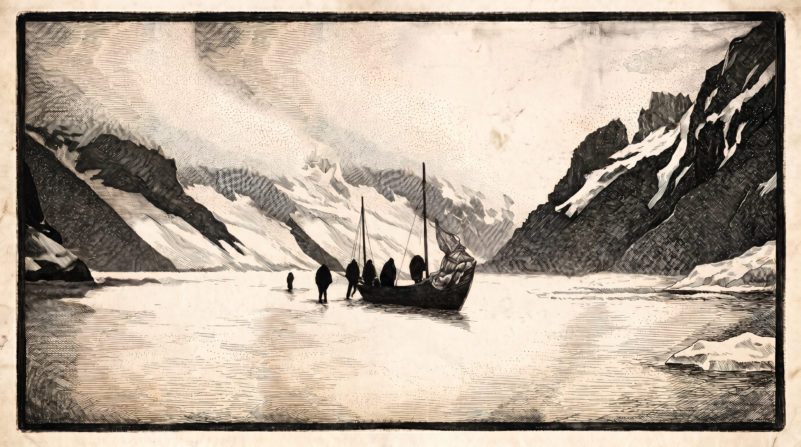
After 16 days and 800 miles in the James Caird, Shackleton’s party reaches the uninhabited south coast of South Georgia. Landing at King Haakon Bay, the whaling stations lie on the far side of an unmapped, glaciated interior.

15 May 1916
Brass Screws and Borrowed Time

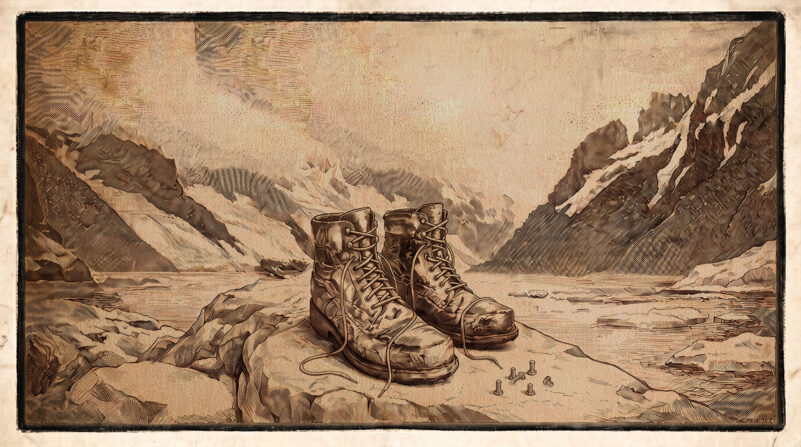
The party relocates by boat to Peggotty Bluff on the north shore of King Haakon Bay, closer to the high ground. McNish drives brass screws through their boot soles for grip on ice.

18 May 1916
Three Chosen, Three Left Behind

The team of three is chosen, McNish, Vincent and McCarthy are too weak to continue and remain in camp. Shackleton, Worsley and Crean prepare to cross — taking only a Primus, a cooker, an adze, the logbook, three days’ rations and 50 ft of rope.

The Last Push

The final hours of the crossing pushed Shackleton, Worsley and Crean beyond exhaustion. They had travelled through the night, without proper food, rest or shelter, over ice and rock in weather that could still have trapped them before the journey’s end. As they descended towards Stromness, they heard the sound of the whaling station’s steam whistle — proof that people, ships and help were finally within reach. When they reached the Manager’s Villa on 20 May 1916, they were dirty, worn down and almost unrecognisable, but they had made contact with the outside world. The Villa became the threshold between isolation and action: the place where the desperate journey could finally turn into a rescue mission.

The Rescue

From Stromness, Shackleton could begin the rescue operation he had risked everything to achieve. The men left on South Georgia were recovered first, but the greater task was to return through ice and weather to the twenty-two men still waiting on Elephant Island. Several attempts were turned back before Shackleton finally secured passage aboard the Chilean vessel Yelcho. On 30 August 1916, more than four months after leaving Elephant Island in the James Caird, Shackleton returned and rescued every remaining member of the crew alive. The journey that began with the loss of Endurance ended not in conquest, but in fulfilment of a promise: that no one would be left behind.

In May 1916, after landing on the south coast of South Georgia in the James Caird, Shackleton, Worsley, and Crean crossed the island’s unmapped and mountainous interior to reach Stromness. Their arrival at the Manager’s Villa on 20 May turned a desperate journey into the rescue effort that would ultimately save the men left behind on Elephant Island.
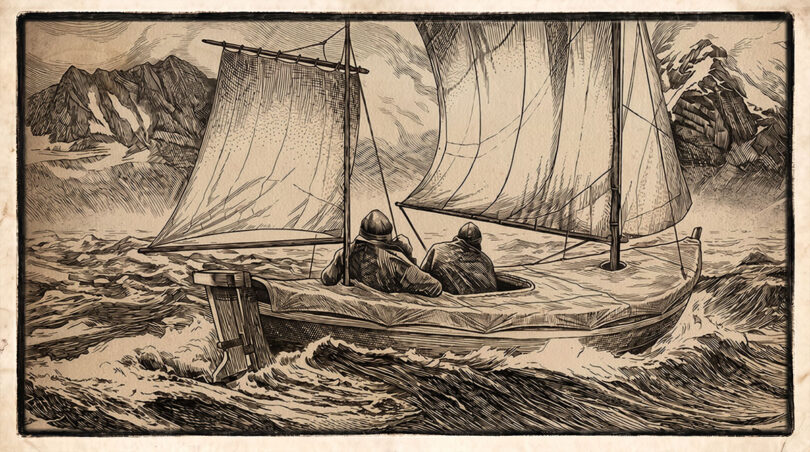
There is no visual documentary record of Shackleton, Worsley and Crean’s crossing of South Georgia. The scenes shown here are therefore based on diaries, first-hand accounts and later scholarship rather than original photographs or film. Any visualisations or reconstructed sequences that use AI techniques are interpretive aids only: they are designed to evoke the journey and its conditions, not to claim documentary status or replace the historical sources on which the story rests.